
Ideogram Prompt Guide
Ideogram Prompt Guide connects write prompts for Ideogram to a curated English SEO page with model notes, prompt patterns, FAQ coverage, real examples, and related internal links.
Editorially reviewed by GPT Images for prompt usefulness, internal links, FAQ coverage, and source-aware model context.
What this model guide covers
Ideogram Prompt Guide is designed for creators comparing image model behavior and prompt formats. It targets the intent to write prompts for Ideogram, but the page avoids thin keyword stuffing by connecting the topic to prompt structure, real prompt examples, internal links, and FAQ answers.
The practical goal is simple: help someone understand what to write next. The page explains how Ideogram prompts should define subject, constraints, references, style, and output checks before a model or generator is blamed for a weak result.
- Use this model guide when the search intent is "write prompts for Ideogram" and the visitor needs examples before writing from scratch.
- Choose it when Ideogram work requires visible constraints such as subject, angle, lighting, composition, text, aspect ratio, or editing target.
- Use the real prompt examples below to see how other prompts structure the same problem, then adapt one variable at a time.
- Keep it as an internal link target for related prompt collections so users can move from broad discovery into specific prompt pages.
Recommended Ideogram workflow
translate a model name into practical prompt choices without inventing fragile capability claims. A good workflow should be repeatable, inspectable, and easy to adapt across tools. The same prompt can behave differently in GPT-IMAGE-2, Nano Banana 2, Stable Diffusion, Midjourney, Jimeng AI, or a local ComfyUI setup, so this page keeps the reusable structure separate from tool-specific adjustments.
- Start by defining the job: what the image must communicate, where it will be used, and what failure would make the result unusable.
- Translate the job into a prompt skeleton for Ideogram: subject, scene, medium, camera or composition, style constraints, and output constraints.
- Pick one example prompt from this page and copy only the structure that matches the job; avoid copying decorative phrases that do not serve the image.
- Run a first generation, then change one variable at a time: framing, lighting, color palette, reference strength, text content, or background density.
- Save the winning prompt with notes about model, tool, aspect ratio, and any reference images so the pattern can be reused later.
- separate subject, composition, reference handling, typography, and iteration notes
Quality checks before publishing
Before using a generated image in production, review the output against the original job. The best prompt is not the longest prompt; it is the prompt that makes the model spend attention on the details that matter.
- Ideogram should have a clear subject and a visible hierarchy; if the prompt gives equal weight to every detail, the image often becomes noisy.
- The prompt should separate content from style, especially when moving between GPT-IMAGE-2, Nano Banana 2, Stable Diffusion, Midjourney, or other image models.
- If the output needs readable text, keep the phrase short, quote it exactly, and verify the final image rather than assuming the model handled typography perfectly.
- If the output must match a brand, character, room, product, or reference image, name the fixed traits and describe what is allowed to change.
- Avoid stacking too many model-specific shortcuts on a reusable prompt page; keep the main prompt portable, then add model notes as a final layer.
- Review whether the page sends visitors to deeper prompt examples, related use cases, and FAQ answers instead of trapping them in a generic SEO article.
Common mistakes to avoid
Most failed image generations are not caused by a missing magic word. They usually come from unclear hierarchy, mixed intent, unsupported text requirements, or a prompt that asks for too many changes at once.
- Writing a Ideogram prompt as a pile of keywords without a production goal.
- Changing model, tool, aspect ratio, and reference image at the same time, which makes it impossible to learn what improved the output.
- Using vague quality words such as beautiful or professional without defining the visible evidence of quality.
- Ignoring downstream use, such as ecommerce crop safety, ad text legibility, app store screenshots, or poster readability.
- Treating Ideogram Prompt Guide as a final answer instead of a starting point connected to prompt examples and iteration notes.
Ideogram prompt patterns
Production brief prompt
Create a Ideogram image for [audience] that communicates [message]. Main subject: [subject]. Scene: [setting]. Composition: [camera angle, crop, spacing]. Style: [medium, lighting, color direction]. Constraints: [aspect ratio, readable text, brand colors, negative space]. Avoid: [visual mistakes, clutter, wrong mood].
It separates the job, subject, scene, style, and constraints, which makes the prompt easier to test across different image models.
Reference-aware prompt
Using the reference as the fixed source of truth, generate a Ideogram variation. Preserve [identity traits, product shape, logo placement, character features, room layout]. Change only [background, lighting, camera angle, outfit, color palette]. Keep the output consistent with [use case] and do not invent extra objects.
It tells the model what is fixed and what can change, which is critical for image editing, character consistency, product shots, and brand work.
Iteration prompt
Revise the previous Ideogram result by improving [one problem]. Keep [successful elements] unchanged. Adjust [single variable] to [specific direction]. The final image should feel [desired mood] and remain suitable for [placement or channel]. Do not change [protected details].
It controls iteration by changing one variable at a time, so you can learn which instruction improved or damaged the output.
Model transfer prompt
Rewrite this Ideogram prompt for [target model or tool]. Keep the core subject, composition, and constraints. Convert unsupported syntax into natural language. Add model-specific notes only at the end: [aspect ratio, style strength, reference strength, negative prompt, seed, or typography instruction].
It preserves the creative brief while allowing each model or tool to receive the instructions in a format it can use.
Prompt examples for Ideogram
These examples are selected from the current English prompt catalog so the page links visitors into real prompt detail pages instead of stopping at generic advice.
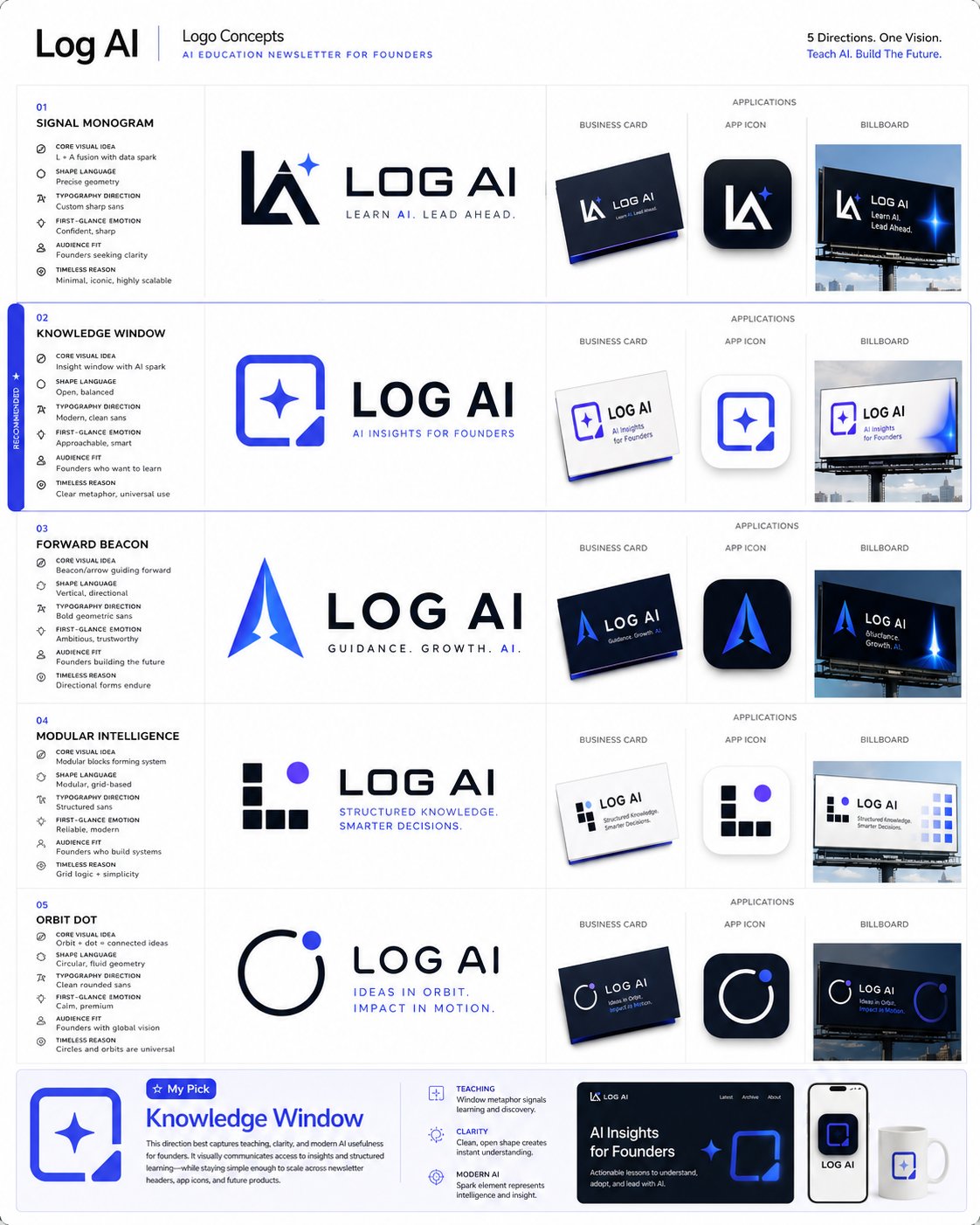
Logo and Brand Identity System Prompts Collection
1. Logo Concept Generation Prompt

You are a top-tier logo designer with 20 years of experience, having designed instantly recognizable and deeply meaningful logos for globally renowned brands.

Brand Name: [Your Brand Name]
Industry: [Your Industry]
Brand Personality: [Description]
Target Audience: [Description]
Admired Visual Identities: [List 3]
Disliked Visual Identities: [List 3]
Preferred Style: [e.g., minimalist, bold, geometric, organic, vintage, futuristic]

Generate 5 completely different logo concepts for my brand.

For each concept provide:

- Core visual concept and symbolism
- Shape language and why it suits the brand
- Font direction recommendations
- First emotional trigger
- Why it suits the target audience
- How it would look on business cards, app icons, and billboards
- Why it's timeless rather than trendy

Then tell me which one you would choose if this were your brand and why.

2. Brand Identity Foundation Prompt

You are a top-tier brand strategist who builds brand identities for Fortune 500 companies and startups that later raise millions in funding.

Business Name: [Your Business Name]
Business Description: [One sentence]
Target Audience: [Detailed description]
Competitors: [List 3-5]
Feelings to evoke: [e.g., trust, excitement, luxury, approachability, power]
Words to associate: [List 5-10]
Words not to associate: [List 5-10]

Establish a complete brand identity foundation before designing any visual elements.

Provide me with:

- Brand archetype and why it's a perfect fit
- 5 specific human characteristics describing the brand personality
- Brand tone guide with examples
- Core brand promise (one sentence)
- 3 emotional levels the brand should trigger
- Fundamental difference from competitors
- The one keyword that defines the brand

3. Color Scheme Prompt

You are a color psychology expert and brand designer who deeply understands how colors trigger emotions, build trust, and drive purchasing decisions.

Brand Name: [Your Brand Name]
Industry: [Your Industry]
Target Audience: [Age, gender, income, lifestyle]
Primary emotion to evoke: [e.g., trust, energy, luxury, calm, excitement]
Top 3 competitor colors: [List]
Liked colors: [List]
Disliked colors: [List]

Build a complete brand color palette for me.

Provide me with:

- Primary color with HEX code and psychological explanation
- Two secondary colors with HEX codes
- One accent color for CTAs and highlights
- One neutral color for backgrounds and text
- How each color affects the target audience
- Differentiation from competitors
- Application examples on websites, social media, and packaging
- Color combinations to never use and why

4. Typography Direction Prompt

You are a typography expert and brand designer who deeply understands how fonts convey personality, build credibility, and achieve instant brand recognition.

Brand Name: [Your Brand Name]
Brand Personality: [5 words]
Industry: [Your Industry]
Target Audience: [Description]
Feelings fonts should evoke: [e.g., authority, friendly, innovative, elegant, energy]
Liked brand fonts: [List 3]

Build a complete typography system for me.

Provide me with:

- Primary display font name for headings and why it's perfect
- Secondary font for long text
- Accent font for quotes or emphasis
- Precise font size hierarchy for headings, subheadings, body text, and captions
- Letter spacing and line height recommendations
- Font pairing methodology
- Free alternatives if budget is limited
- Font mistakes to avoid in your industry

5. Complete Brand Identity Package Prompt

You are a top-tier creative director at a brand agency, delivering complete brand identity systems that cover every touchpoint.

Business Name: [Your Business Name]
Business Description: [One sentence]
Target Audience: [Detailed description]
Brand Personality: [5 words]
Industry: [Your Industry]
Competitors: [List 3]
Design tool budget: [Free or paid]
Timeline: [Time you need]

Deliver my complete brand identity system in one response.

Include all elements:

- Brand strategy foundation, archetype, personality, promise, and positioning
- Logo concepts with 3 variations
- Complete color palette with HEX codes and usage rules
- Typography system with names, sizes, and hierarchy
- Visual direction guidelines
- Brand tone guide and tagline options
- Social media visual templates
- 3 core brand rules to never break

Deliver everything as a structured brand guide that any designer, developer, or AI tool can fully understand your brand in 10 minutes.
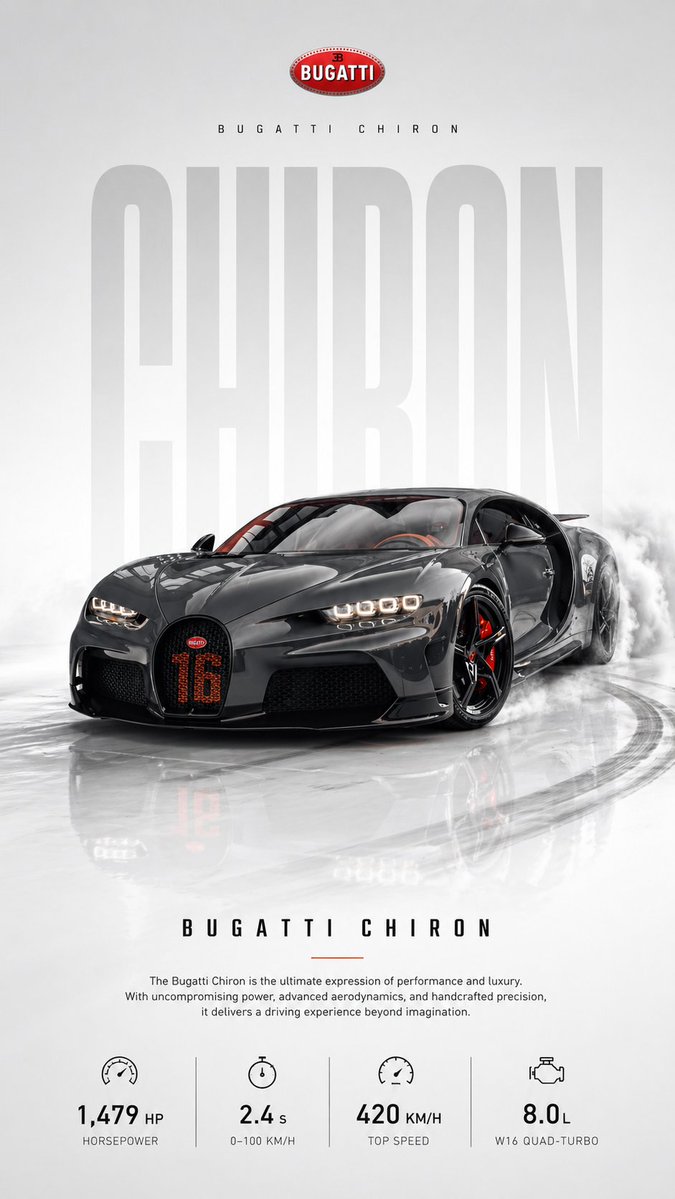
Infographic / Edu Visual - Automotive poster transformation prompt
Ultra-clean automotive poster featuring the exact same car as the photo that will be provided later. The AI must replicate the car from the uploaded photo with identical body shape, proportions, stance, color, trims, wheels, and all visible exterior details.
The car is presented in a front three-quarter angle facing right, matching the perspective of the original reference layout, but now depicted in a subtle {argument name="action" default="drifting action"}. The drift is expressed through realistic weight transfer, slight body lift, controlled smoke plumes from the rear tires, and faint curved tire marks behind the vehicle, without distorting the original car’s geometry.
Headlights follow the exact style from the reference photo of the car, with optional warm fog lights glowing if the provided car has them. All decals, emblems, plates, and window tints must match the car from the uploaded photo.
The car drifts on a glossy white reflective studio-like floor that maintains soft reflections and realistic shadows, enhanced with light drift skid reflections and directional smudges.
Background remains a clean white-to-light-gray gradient with a giant semi-transparent bold typography of the car model name (auto-extracted from the uploaded photo) vertically dominating the background.
At the very top: clean branding text “{argument name="brand name" default="CAR COMPANY NAME"}” (or the brand detected from the uploaded car photo). Under it, spaced-out stylized tracking text containing the same brand and model name.
Below the car: centered title of the exact model name from the uploaded photo.
Under that, a short descriptive paragraph about the car’s character (efficiency, style, reliability).
Bottom section shows a clean grid layout of specifications. If real specs are known from the detected car model, generate accurate values; if not, generate placeholders in the same layout style (4 columns: horsepower, 0–100 km/h, top speed, engine displacement/fuel type).
Entire poster is minimalist, editorial, high-key studio lighting with ultra-sharp reflections, crisp shadows, modern typography, and 4K believability, blending clean design with dynamic drifting energy, Ratio 9:16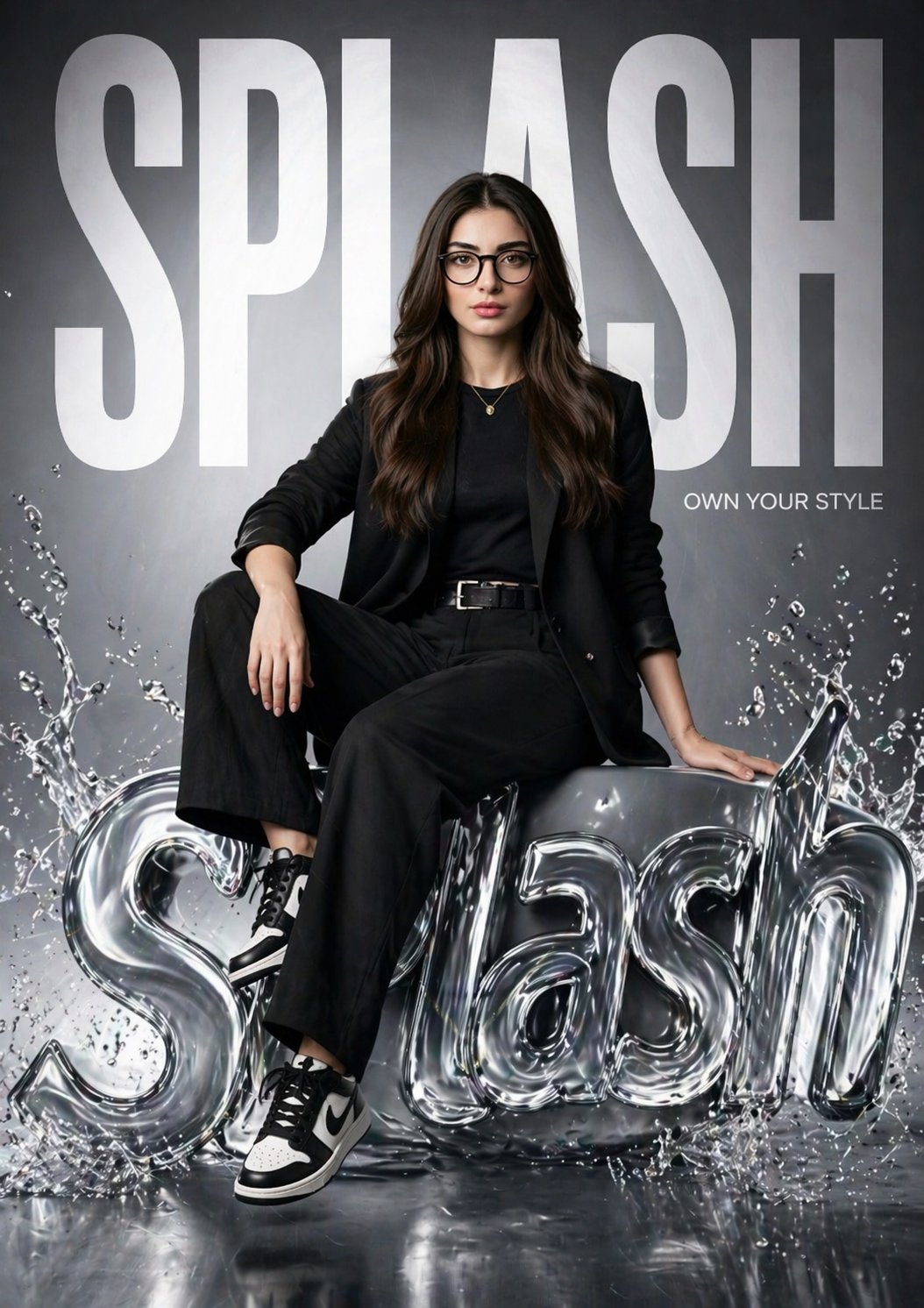
SPLASH Fashion Brand Hyper-Realistic Campaign Poster
Create a hyper-realistic fashion poster for “SPLASH” featuring the same girl from the reference image (keep her face 100% identical). She is sitting confidently on a glossy, liquid-style 3D SPLASH logo with water splash effects. One leg relaxed, one bent, strong editorial pose.
Background has massive bold “SPLASH” text filling the frame, partially behind her. Add small tagline: “Own Your Style.”
Outfit: modern black street-fashion (blazer, fitted top, trousers, sneakers).
Lighting: cinematic studio, soft key light + rim light, reflective highlights on liquid logo.
Style: luxury brand campaign (Zara / H&M), clean glossy environment.
Camera: 85mm lens, shallow depth of field, 8K, ultra-detailed, photorealistic.
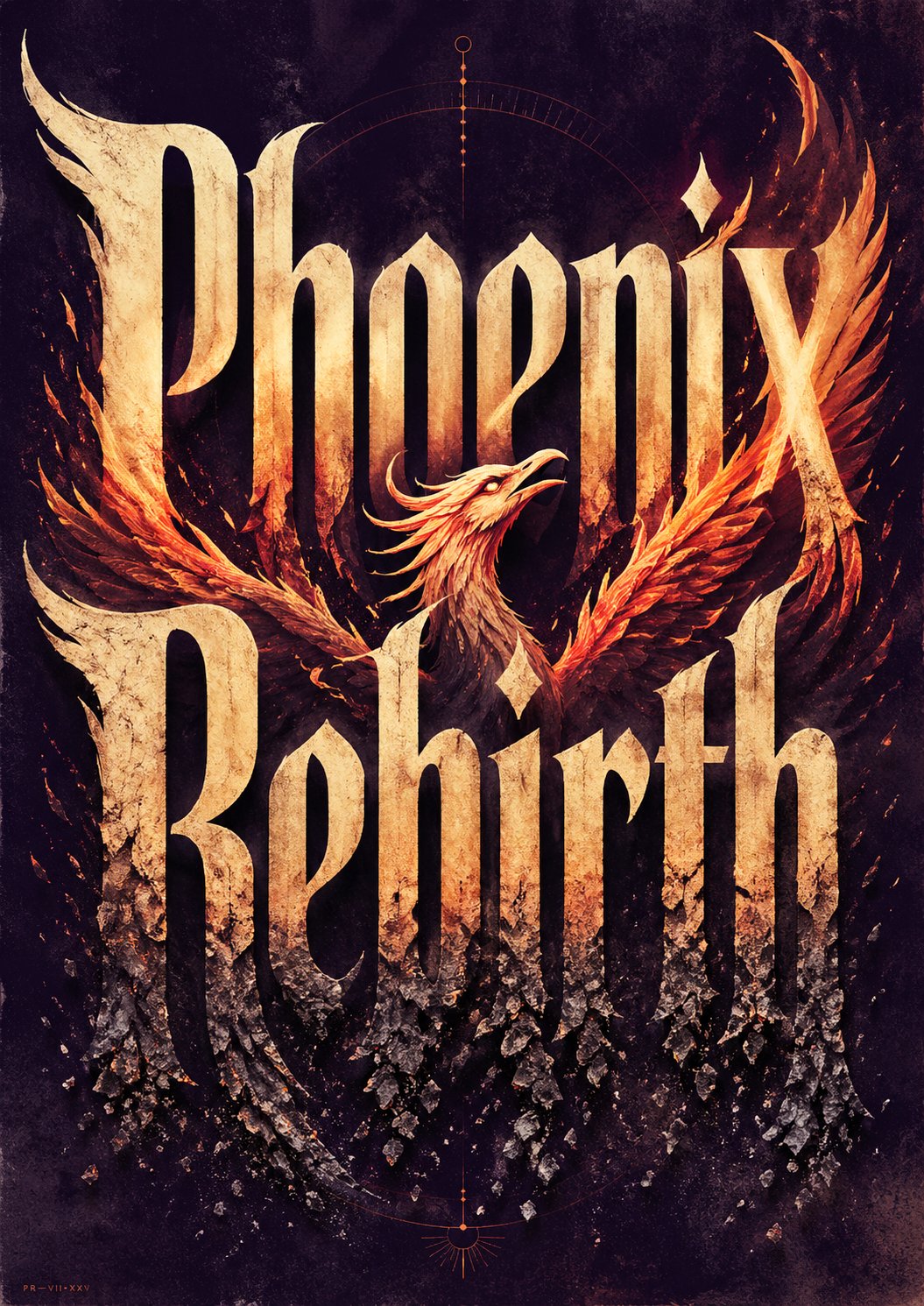
Concept Font Poster Prompt
Create ONE finished premium conceptual typography poster for the exact title:

"[INPUT_TEXT]"

Single poster only. No moodboard, grid, presentation board, mockup, captions, prompt text, process sheet, or sample labels.

The title "[INPUT_TEXT]" must be the dominant visual structure of the poster: huge, readable, powerful, and spelled exactly. Do not translate, shorten, replace, or misspell it. Do not add other large readable text. Optional micro catalog text is allowed only if it stays subtle and secondary.

Silently interpret the title's meaning, mood, cultural aura, symbolic associations, psychological tension, and visual rhythm. Turn that interpretation into one strong visual metaphor.

Typography is the hero. Design custom-looking letterforms whose weight, width, contrast, spacing, rhythm, distortion, negative space, edge quality, and ink texture express the temperament of the title. The type should feel intentionally designed, not like a default font.

If "[INPUT_TEXT]" refers to a widely known person, make a large editorial portrait or full / half-body figure a major visual presence, occupying roughly 40–70% of the composition. The figure should feel recognizable through aura, posture, styling, era, expression, lighting, and symbolic atmosphere, but should not copy a specific existing photograph, official poster, campaign image, logo, slogan, or copyrighted composition. The portrait must interact with the typography: overlapping the letters, emerging from them, being framed by them, casting shadows on them, breaking through them, or being partially hidden behind them.

For all other titles, use a human figure, landscape, object, or atmospheric setting only when it strengthens the meaning. It must interact with the typography and deepen the concept, not decorate it.

Use a rich but restrained 4–6 color system matched to the theme: dominant background color, primary typography color, figure / landscape tone, emotional accent color, muted support color, and subtle paper / ink texture tone. Avoid flat black-white-red defaults unless conceptually necessary.

Composition style: high-end editorial poster, museum-quality graphic design, dramatic scale, strong hierarchy, few elements, intelligent whitespace, bold flat color areas, sharp cropping, silkscreen / lithograph / risograph grain, paper fibers, subtle ink imperfections, refined visual tension.

The final image should feel like a complete visual sentence: the title, the figure or setting, the color, and the typography explain each other.

Avoid generic word art, glossy 3D lettering, random icons, stock-photo realism, cluttered collage, excessive grunge, tourist clichés, official logos, copied slogans, copied campaign aesthetics, unrelated text, and misspelled typography.

-----

INPUT_TEXT: Phoenix Rebirth
Luxury Brand Ad Campaign Poster
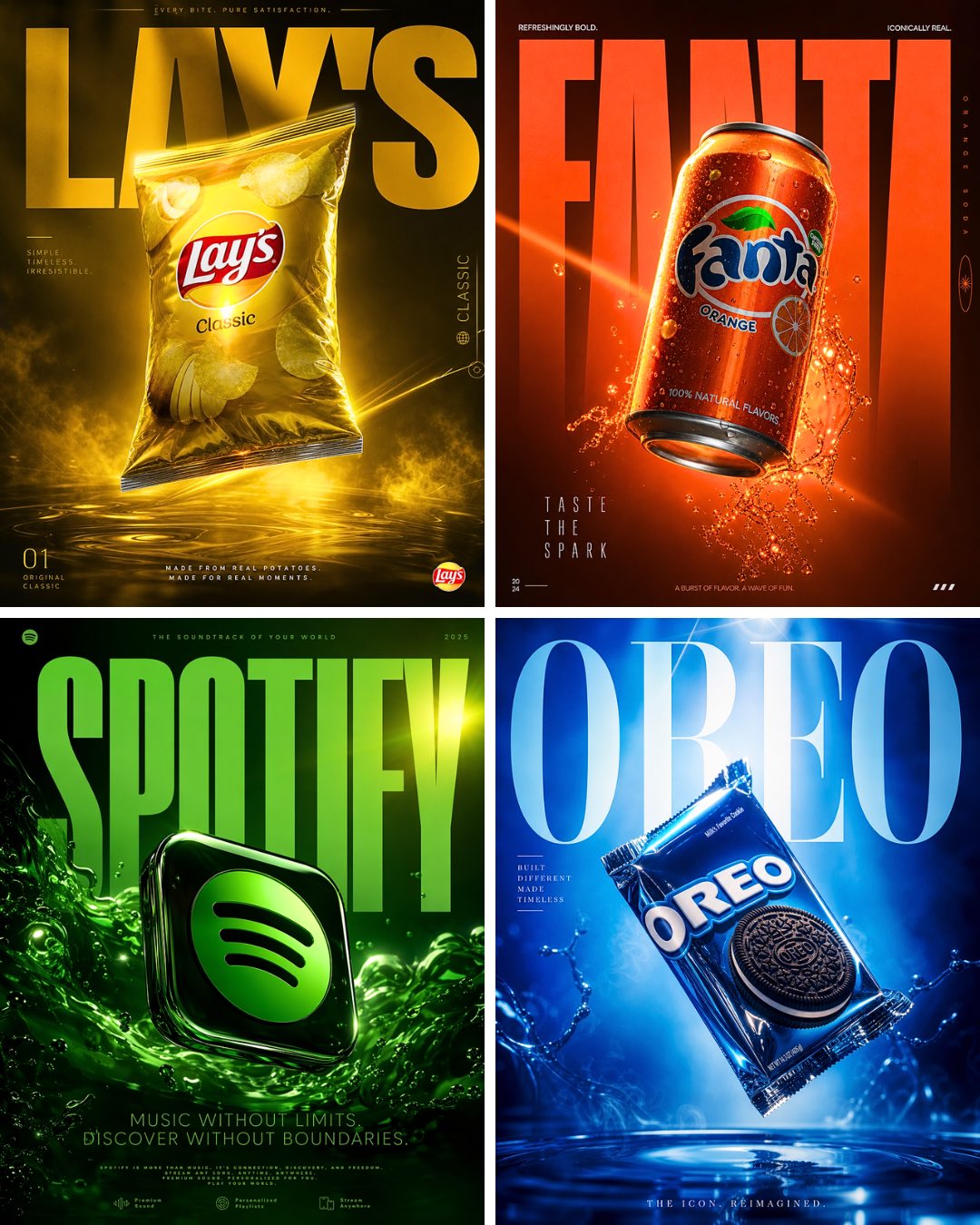
A world-class luxury advertising campaign poster, 4:5 ratio, for [BRAND/PRODUCT], shot in a high-end photography studio, [COLOR] dramatic lighting with vivid color gels casting bold shadows, single hero product floating center frame with hyper-reflective surface catching light streaks, cinematic lens flare, deep rich background with gradient bloom, chrome and glass material feel, oversized bold editorial typography with the brand name, razor-sharp tagline in elegant thin font, extreme detail and texture on the product, smoke or liquid elements subtly in background, feels like Apple x Nike x Lamborghini had a campaign, shot on Hasselblad, photorealistic, magazine cover quality
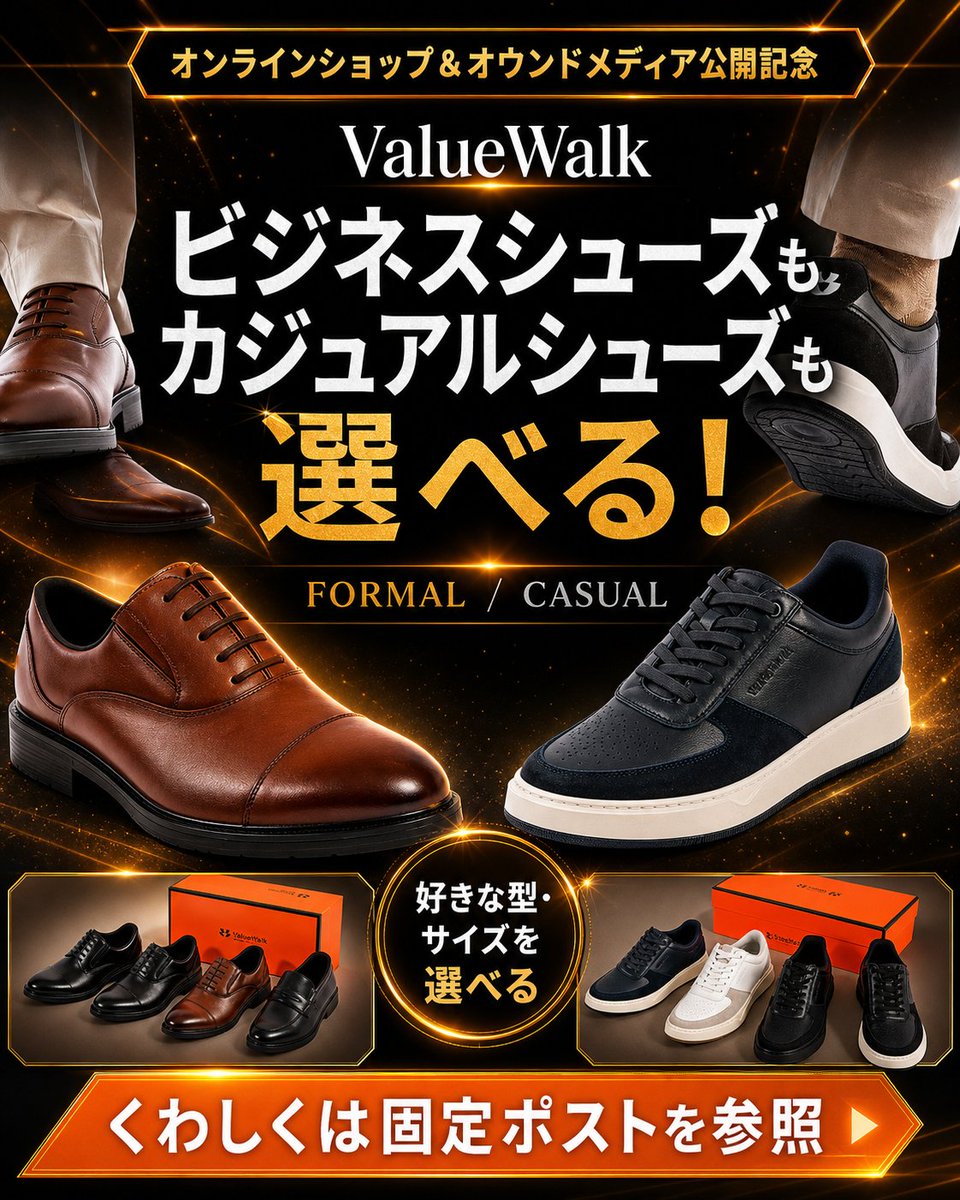
E-commerce Main Image - ValueWalk Formal and Casual Shoe Campaign
{"type":"high-impact Japanese promotional social media graphic for a shoe campaign","canvas":"square 1:1 layout, glossy black luxury background with orange-gold neon lines, sparks, lens flares, metallic glow, premium e-commerce advertising style, dramatic product lighting, sharp photorealistic shoes combined with bold typography","brand":"{argument name=\"brand name\" default=\"ValueWalk\"}","main_text":{"top_ribbon":"{argument name=\"campaign header\" default=\"オンラインショップ&オウンドメディア公開記念\"}","headline":"{argument name=\"main headline\" default=\"ビジネスシューズも、カジュアルシューズも\"}","emphasis":"{argument name=\"emphasis text\" default=\"選べる!\"}","subline":"FORMAL / CASUAL","center_badge":"好きな型・サイズを選べる","bottom_cta":"{argument name=\"call to action\" default=\"くわしくは固定ポストを参照 ▶\"}"},"layout":{"top":"thin orange neon hexagonal ribbon frame containing the campaign header, with the ValueWalk logo centered below it in elegant white serif type","center":"huge bold Japanese headline in white, followed by oversized gold-orange emphasis text with 3D shine and glow; place FORMAL / CASUAL underneath in small serif lettering separated by a slash","product_count":8,"products":[{"position":"upper left","description":"cropped foot wearing a polished brown leather business dress shoe with beige trouser leg"},{"position":"upper right","description":"cropped foot wearing a black casual sneaker with thick white sole and beige trouser leg"},{"position":"large lower left hero product","description":"brown leather cap-toe lace-up formal shoe, glossy finish, black sole, angled three-quarter view"},{"position":"large lower right hero product","description":"black low-top casual sneaker with perforated toe, black laces, cream white sole, angled three-quarter view"},{"position":"bottom left inset item 1","description":"black formal shoe"},{"position":"bottom left inset item 2","description":"black formal shoe"},{"position":"bottom left inset item 3","description":"brown formal shoe"},{"position":"bottom left inset item 4","description":"black formal shoe"}],"inset_sections_count":3,"inset_sections":[{"position":"bottom left","description":"gold-outlined rectangular product inset showing 4 formal shoes in front of an orange ValueWalk shoe box","item_count":4},{"position":"bottom center","description":"circular black badge with thick gold neon ring and stacked white/gold Japanese text","item_count":1},{"position":"bottom right","description":"gold-outlined rectangular product inset showing 4 casual sneakers in front of an orange ValueWalk shoe box: navy/black sneaker, white sneaker, black sneaker, black sneaker","item_count":4}],"bottom":"wide orange gradient arrow-shaped call-to-action banner with gold outline, bright inner glow, white bold Japanese text and a right-facing triangle arrow"},"style":"premium retail campaign, black and gold color palette with orange accents, cinematic contrast, realistic leather textures, crisp Japanese typography, polished SNS advertisement, no people visible except cropped ankles, centered symmetrical composition, clean readable text"}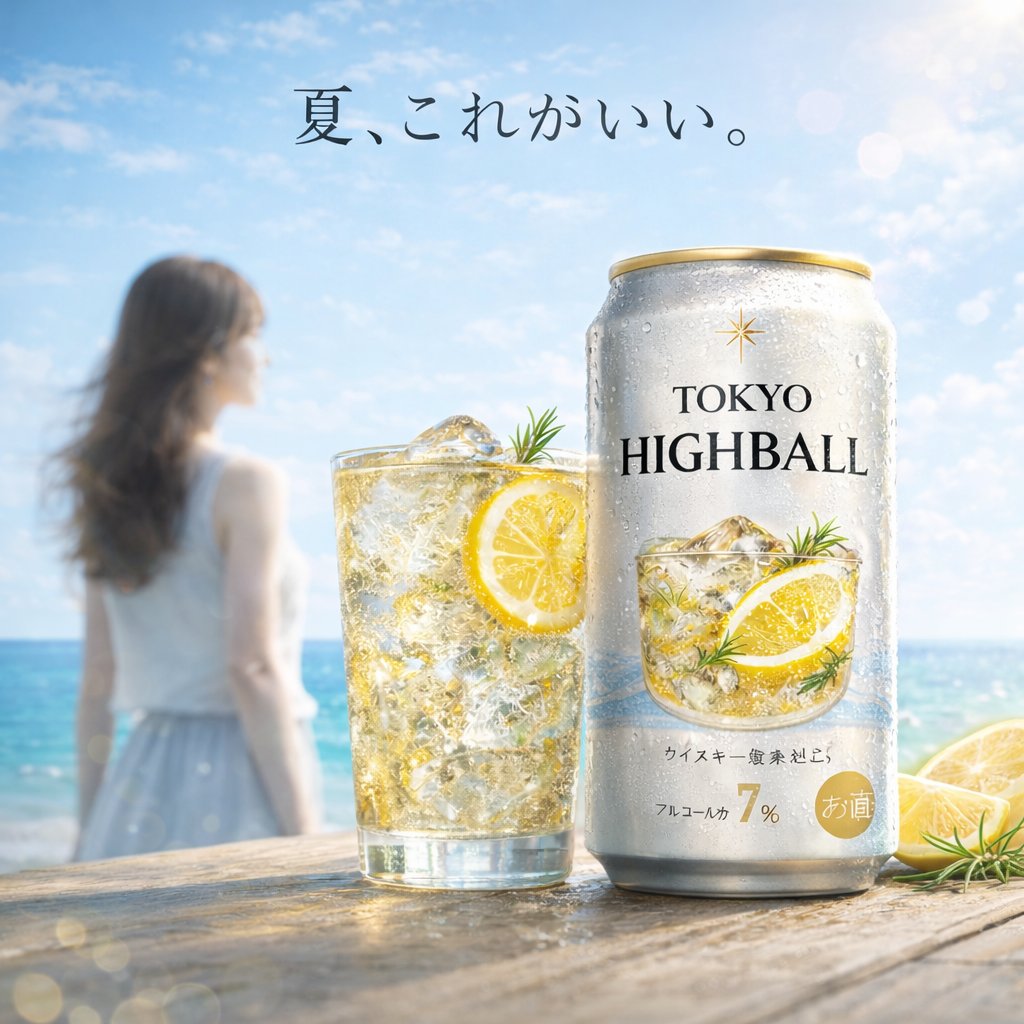
Brand Logo Design Image
A bright, summery commercial product photography shot featuring a refreshing beverage on a weathered wooden table. In the sharp foreground, there is 1 tall glass filled with a golden, bubbly iced drink garnished with 1 lemon slice and a sprig of rosemary, sitting next to 1 silver aluminum can covered in cold condensation. The can prominently displays the English text {argument name="product name" default="TOKYO HIGHBALL"} below a small gold star logo, featuring a graphic of the drink itself and the Japanese text "アルコール分 7%" near the bottom. To the right of the can, 2 cut lemon wedges rest on the table. In the softly blurred background, a sunny beach scene unfolds with sparkling turquoise water and a clear blue sky. Standing to the left in the background is 1 young woman with long brown hair, wearing a white sleeveless top and a light blue skirt, looking out toward the ocean. Floating elegantly in the sky above the scene is the Japanese text {argument name="catchphrase" default="夏、これがいい。"}. The overall lighting is radiant and inviting, with sparkling bokeh and lens flares emphasizing the crisp, cold, and refreshing atmosphere of a perfect summer day.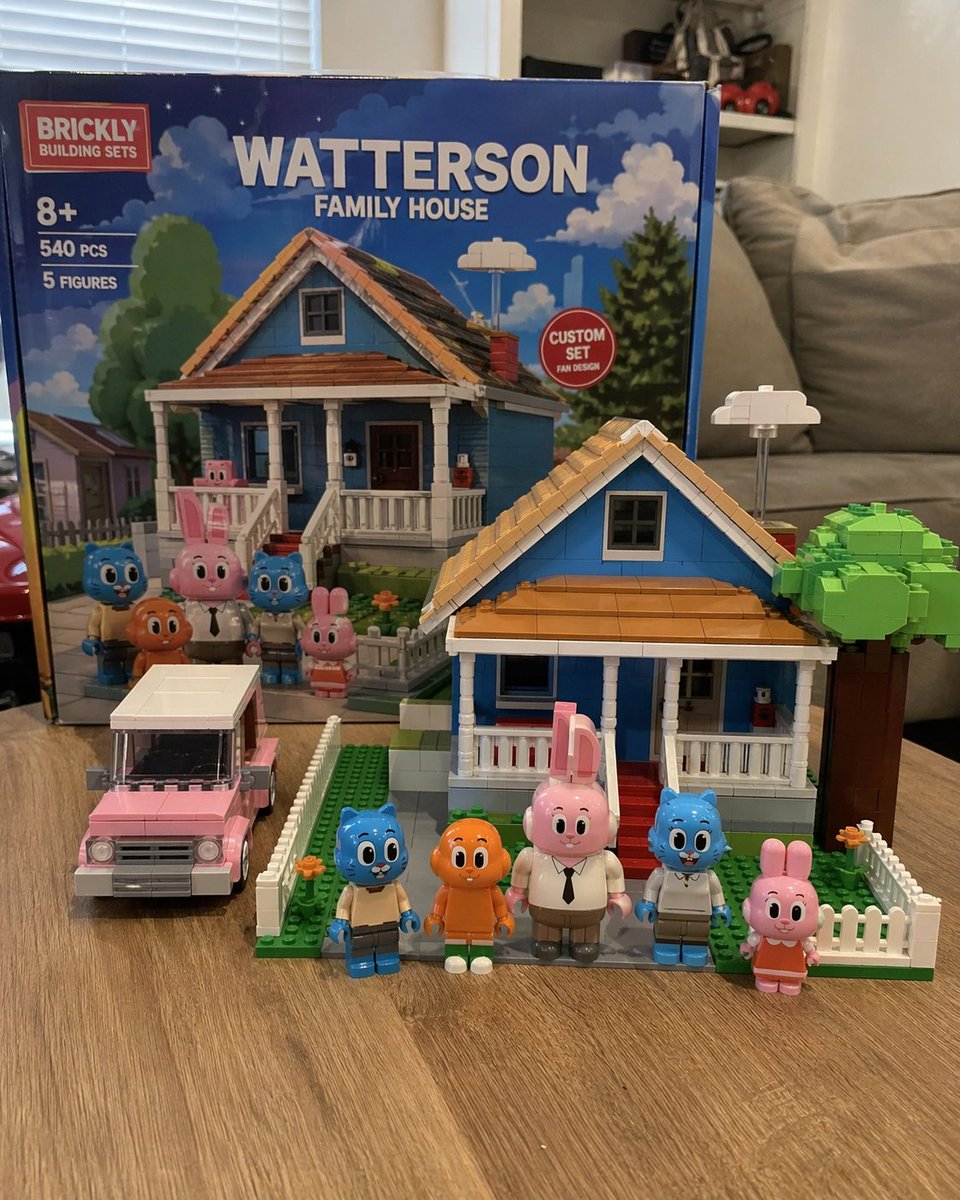
Brand Logo Design Image
A photorealistic amateur photograph of a custom building block set resting on a light wood grain table in a living room. In the background stands a large product box with a red logo reading "{argument name="brand name" default="BRICKLY"} BUILDING SETS". The box features text reading "8+", "540 PCS", "5 FIGURES", and the main large title "{argument name="set title" default="WATTERSON FAMILY HOUSE"}". A red circular badge on the box reads "CUSTOM SET FAN DESIGN", and the box art depicts the house and characters under a blue sky. In the foreground sits the fully assembled block model of a {argument name="house color" default="blue"} two-story suburban house with a brown roof, white porch, red steps, a white picket fence, and a blocky green tree. To the left of the house is a built block model of a {argument name="car color" default="pink"} station wagon. Standing in a row in front of the house are exactly 5 custom block minifigures: a blue cat in tan pants, an orange fish with legs, a tall pink rabbit in a white shirt and tie, a blue cat in a white shirt, and a small pink rabbit in an orange dress. The background is a slightly blurred living room with a grey sofa and white blinds.Related prompt guides and libraries
FAQ about Ideogram
How do I use Ideogram prompts from gptimages.dev?
Start with the examples that match your visual job, then copy the prompt structure rather than copying every adjective. Replace the subject, scene, channel, aspect ratio, and constraints with your own details. If the first result is close, keep the successful parts fixed and change one variable at a time. This makes the page useful as a prompt library, not just a keyword page.
What is the best prompt format for Ideogram?
A dependable format is brief first, details second, checks last: describe the image goal, then the subject, scene, composition, style, reference rules, and output constraints. For models such as GPT-IMAGE-2, Nano Banana 2, Stable Diffusion, Midjourney, or Jimeng AI, keep the core prompt portable and add tool-specific settings only when the interface supports them.
Can I reuse these prompts across different AI image models?
Yes, but reuse the structure more than the exact syntax. A prompt that works in one generator may need different wording, reference strength, aspect ratio settings, or negative prompts in another. The safest workflow is to preserve the creative brief, then adapt only the model-specific layer after you inspect the first output.
How should I collect the best AI image prompts?
Save prompts with the final image, model or tool name, aspect ratio, reference images, and a short note explaining why the result worked. Group them by use case such as product photography, character consistency, UI mockups, posters, logos, or text-in-image prompts. That collection becomes much more useful than a flat list of attractive phrases.
Why do Ideogram prompts fail?
Common causes include unclear subject hierarchy, too many styles in one prompt, vague quality words, unsupported text requirements, missing reference rules, and uncontrolled iteration. Fix the prompt by naming the production goal, protecting the details that cannot change, and testing one adjustment per generation instead of rewriting the whole prompt every time.
Are these prompt examples enough for commercial work?
They are a starting point, not legal or brand clearance. For commercial work, check the terms of the model or generator, review rights for reference images, verify text and logos manually, and keep a record of the prompt, source assets, and final edits. The page helps with prompt quality, while usage rights still depend on your workflow and provider terms.