
Fashion Photography Prompts
Fashion Photography Prompts connects find fashion photography prompts to a curated English SEO page with model notes, prompt patterns, FAQ coverage, real examples, and related internal links.
Editorially reviewed by GPT Images for prompt usefulness, internal links, FAQ coverage, and source-aware model context.
What this use-case library covers
Fashion Photography Prompts is designed for people trying to make a specific type of image for a product, brand, story, interface, or campaign. It targets the intent to find fashion photography prompts, but the page avoids thin keyword stuffing by connecting the topic to prompt structure, real prompt examples, internal links, and FAQ answers.
The practical goal is simple: help someone understand what to write next. The page explains how Fashion Photography prompts should define subject, constraints, references, style, and output checks before a model or generator is blamed for a weak result.
- Use this use-case library when the search intent is "find fashion photography prompts" and the visitor needs examples before writing from scratch.
- Choose it when Fashion Photography work requires visible constraints such as subject, angle, lighting, composition, text, aspect ratio, or editing target.
- Use the real prompt examples below to see how other prompts structure the same problem, then adapt one variable at a time.
- Keep it as an internal link target for related prompt collections so users can move from broad discovery into specific prompt pages.
Recommended Fashion Photography workflow
turn a visual job into reusable prompt recipes and examples. A good workflow should be repeatable, inspectable, and easy to adapt across tools. The same prompt can behave differently in GPT-IMAGE-2, Nano Banana 2, Stable Diffusion, Midjourney, Jimeng AI, or a local ComfyUI setup, so this page keeps the reusable structure separate from tool-specific adjustments.
- Start by defining the job: what the image must communicate, where it will be used, and what failure would make the result unusable.
- Translate the job into a prompt skeleton for Fashion Photography: subject, scene, medium, camera or composition, style constraints, and output constraints.
- Pick one example prompt from this page and copy only the structure that matches the job; avoid copying decorative phrases that do not serve the image.
- Run a first generation, then change one variable at a time: framing, lighting, color palette, reference strength, text content, or background density.
- Save the winning prompt with notes about model, tool, aspect ratio, and any reference images so the pattern can be reused later.
- define output constraints, choose references, specify scene details, and review production quality
Quality checks before publishing
Before using a generated image in production, review the output against the original job. The best prompt is not the longest prompt; it is the prompt that makes the model spend attention on the details that matter.
- Fashion Photography should have a clear subject and a visible hierarchy; if the prompt gives equal weight to every detail, the image often becomes noisy.
- The prompt should separate content from style, especially when moving between GPT-IMAGE-2, Nano Banana 2, Stable Diffusion, Midjourney, or other image models.
- If the output needs readable text, keep the phrase short, quote it exactly, and verify the final image rather than assuming the model handled typography perfectly.
- If the output must match a brand, character, room, product, or reference image, name the fixed traits and describe what is allowed to change.
- Avoid stacking too many model-specific shortcuts on a reusable prompt page; keep the main prompt portable, then add model notes as a final layer.
- Review whether the page sends visitors to deeper prompt examples, related use cases, and FAQ answers instead of trapping them in a generic SEO article.
Common mistakes to avoid
Most failed image generations are not caused by a missing magic word. They usually come from unclear hierarchy, mixed intent, unsupported text requirements, or a prompt that asks for too many changes at once.
- Writing a Fashion Photography prompt as a pile of keywords without a production goal.
- Changing model, tool, aspect ratio, and reference image at the same time, which makes it impossible to learn what improved the output.
- Using vague quality words such as beautiful or professional without defining the visible evidence of quality.
- Ignoring downstream use, such as ecommerce crop safety, ad text legibility, app store screenshots, or poster readability.
- Treating Fashion Photography Prompts as a final answer instead of a starting point connected to prompt examples and iteration notes.
Fashion Photography prompt patterns
Production brief prompt
Create a Fashion Photography image for [audience] that communicates [message]. Main subject: [subject]. Scene: [setting]. Composition: [camera angle, crop, spacing]. Style: [medium, lighting, color direction]. Constraints: [aspect ratio, readable text, brand colors, negative space]. Avoid: [visual mistakes, clutter, wrong mood].
It separates the job, subject, scene, style, and constraints, which makes the prompt easier to test across different image models.
Reference-aware prompt
Using the reference as the fixed source of truth, generate a Fashion Photography variation. Preserve [identity traits, product shape, logo placement, character features, room layout]. Change only [background, lighting, camera angle, outfit, color palette]. Keep the output consistent with [use case] and do not invent extra objects.
It tells the model what is fixed and what can change, which is critical for image editing, character consistency, product shots, and brand work.
Iteration prompt
Revise the previous Fashion Photography result by improving [one problem]. Keep [successful elements] unchanged. Adjust [single variable] to [specific direction]. The final image should feel [desired mood] and remain suitable for [placement or channel]. Do not change [protected details].
It controls iteration by changing one variable at a time, so you can learn which instruction improved or damaged the output.
Model transfer prompt
Rewrite this Fashion Photography prompt for [target model or tool]. Keep the core subject, composition, and constraints. Convert unsupported syntax into natural language. Add model-specific notes only at the end: [aspect ratio, style strength, reference strength, negative prompt, seed, or typography instruction].
It preserves the creative brief while allowing each model or tool to receive the instructions in a format it can use.
Prompt examples for Fashion Photography
These examples are selected from the current English prompt catalog so the page links visitors into real prompt detail pages instead of stopping at generic advice.
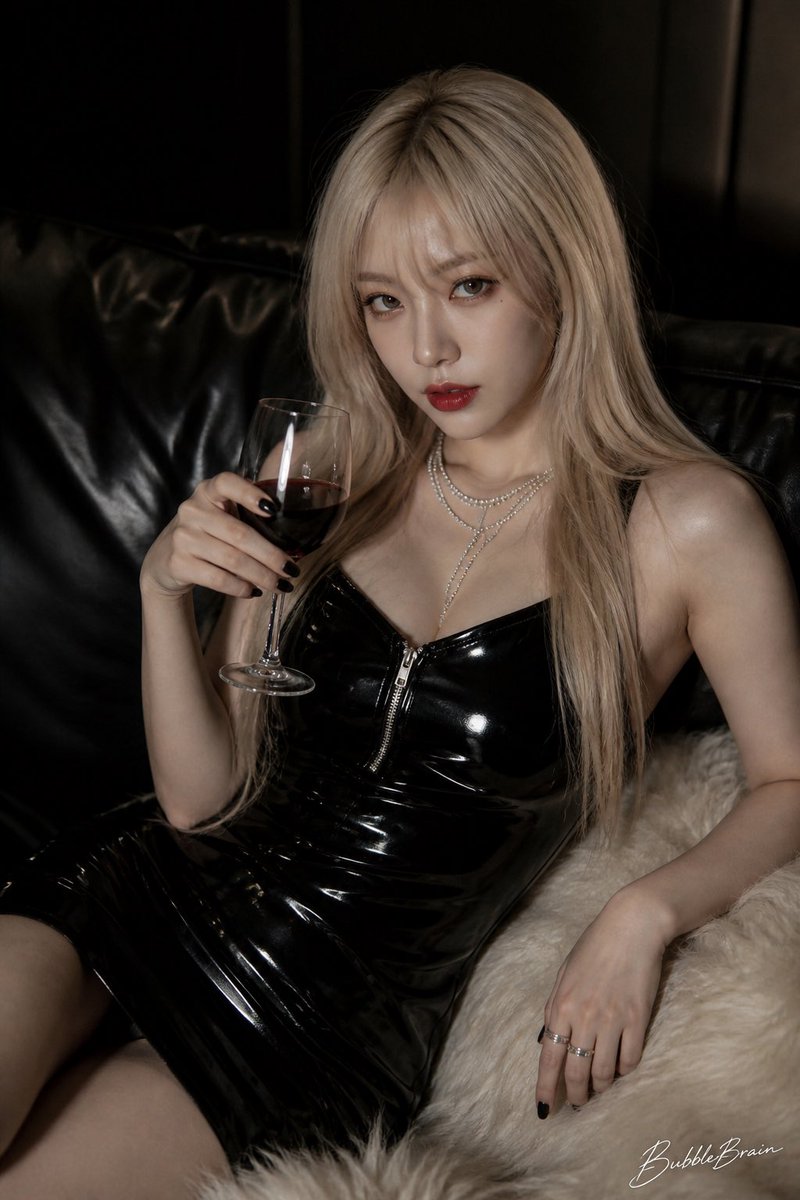
Profile / Avatar - Luxury Asian Fashion Editorial
Realistic fashion editorial portrait, close medium shot of a beautiful adult {argument name="subject" default="Asian young woman"} with refined facial features, long straight light-blonde hair falling over her shoulders, soft airy bangs framing her face, pale porcelain skin, slim figure, cold and elegant expression, deep captivating eyes with slightly winged eyeliner, bold red lips. She is seated sideways in a relaxed, slightly lazy pose on a black leather sofa, with a soft white faux-fur blanket beneath her. Her right hand elegantly holds the rim of a wine glass. She wears a {argument name="dress" default="fitted black glossy mini dress or sleek patent-finish short dress"}, subtly contouring her body line, with a metallic zipper detail at the chest. Around her neck are layered sparkling rhinestone necklaces. A silver ring is worn on the ring finger of her left hand, and her fingernails are painted black. Framing focuses on her face and upper body, intimate editorial composition, eye-level with a slight high-angle perspective. The background is dark and moody, minimal, luxurious, and mysterious, creating a premium cinematic atmosphere. Lighting is soft but directional, sculpting the contours of her face and body while emphasizing the glossy texture of the dress, the shine of the jewelry, and the rich material of the black leather sofa. Style: high-end fashion magazine photography, cinematic realism, Korean-style luxury editorial portrait, slightly moody indoor atmosphere, elegant sensuality, premium visual language, realistic skin texture, soft diffusion, subtle film grain, muted dark tones, low-saturation luxury palette, shallow depth of field, polished but natural, detailed, sophisticated, visually striking. Add a small handwritten signature text “{argument name="signature" default="BubbleBrain"}” in the bottom-right corner.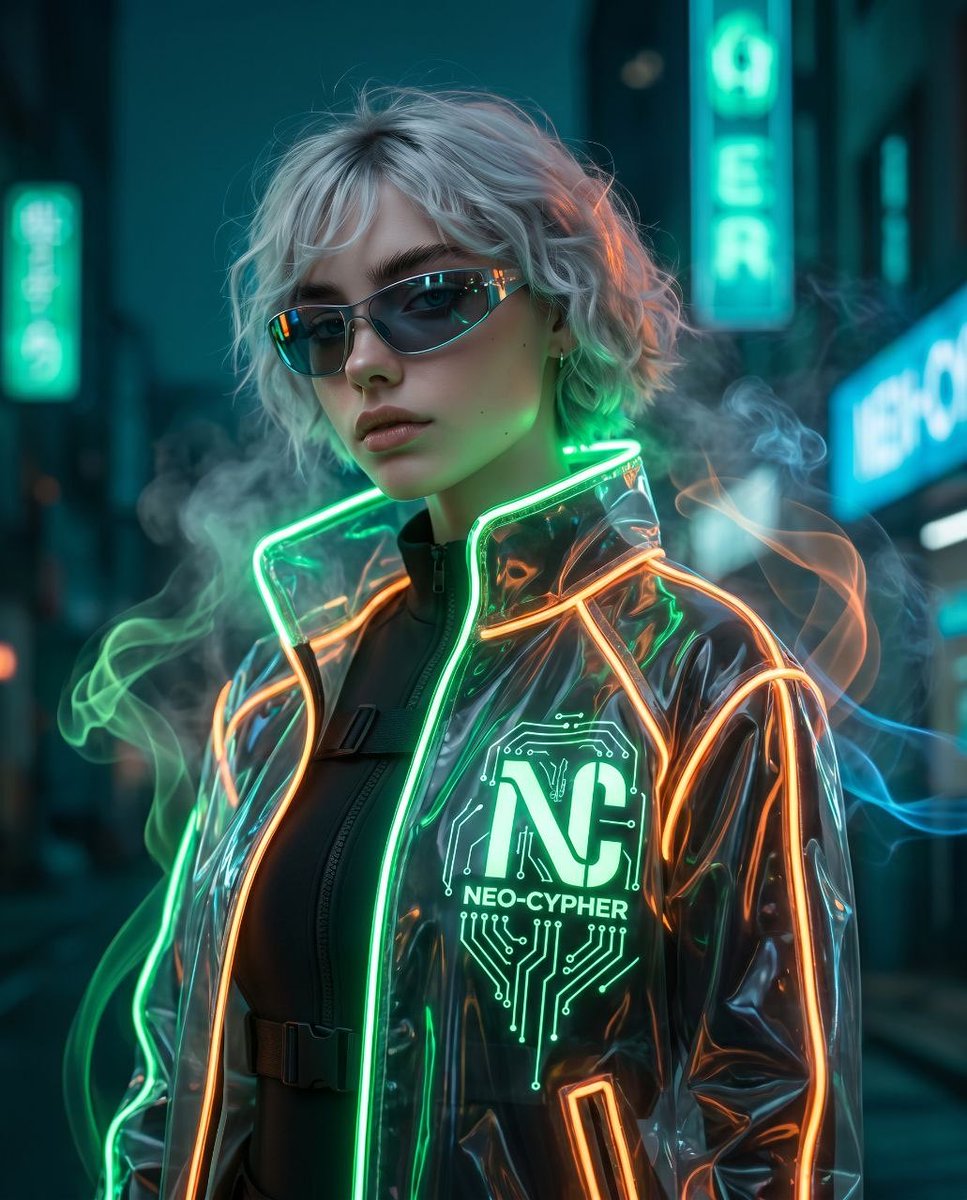
Cyberpunk Fashion Portrait
GPT Image 2 on @SocialSight Prompt: Futuristic portrait of a young woman facing camera, wearing a transparent neon jacket with glowing green and orange edges, large illuminated logo on chest, black inner outfit, sleek sunglasses, soft smoke light trails behind, dark teal background, cyberpunk fashion campaign, ultra-realistic textures, cinematic lighting, sharp focus, luxury sportswear branding style, 8k Style keywords: neon edges, glowing logo, fashion campaign, high-end branding, moody lighting
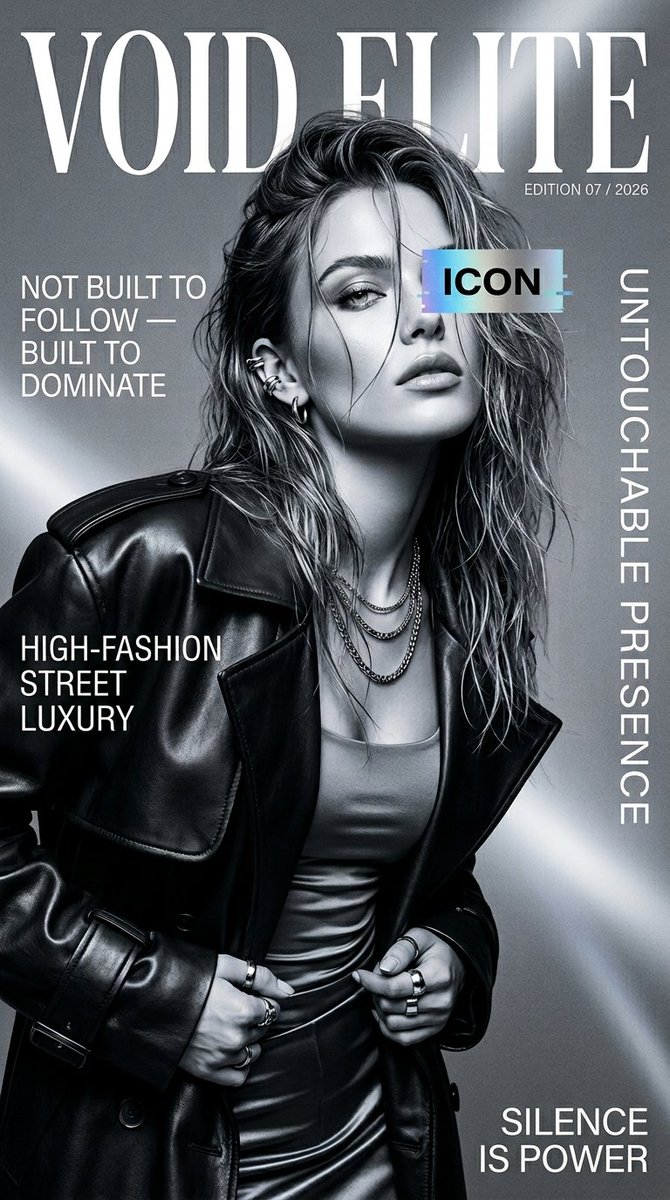
Monochrome Fashion Cover
Ultra-realistic high-fashion magazine cover, black and white cinematic portrait of a confident young female model, slightly messy wet-look hair, sharp jawline, intense gaze, natural glossy lips, wearing a premium black leather trench coat over a minimal outfit.
The model is posing slightly tilted forward with attitude, hands adjusting the coat, accessorized with multiple rings, ear piercings, and layered chain necklaces.
Lighting is dramatic studio lighting with soft shadows, high contrast, editorial Vogue-style aesthetic, ultra-detailed skin texture, 8K resolution, sharp focus.
Background is minimal gradient grey with soft light streaks for depth.
Magazine cover layout included:
Large bold serif title at top: “VOID ELITE”
Subtitle small: “Edition 07 / 2026”
Left text: “NOT BUILT TO FOLLOW — BUILT TO DOMINATE”
Bottom left: “HIGH-FASHION STREET LUXURY”
Right vertical text: “UNTOUCHABLE PRESENCE”
Bottom right: “SILENCE IS POWER”
Add a small holographic glitch-style label over the eyes with text “ICON”
Style: luxury fashion editorial, Vogue, Harper’s Bazaar, monochrome aesthetic, modern typography, clean layout, ultra premium branding
--ar 2:3 --style raw --quality 2 --sharp focus --photorealistic
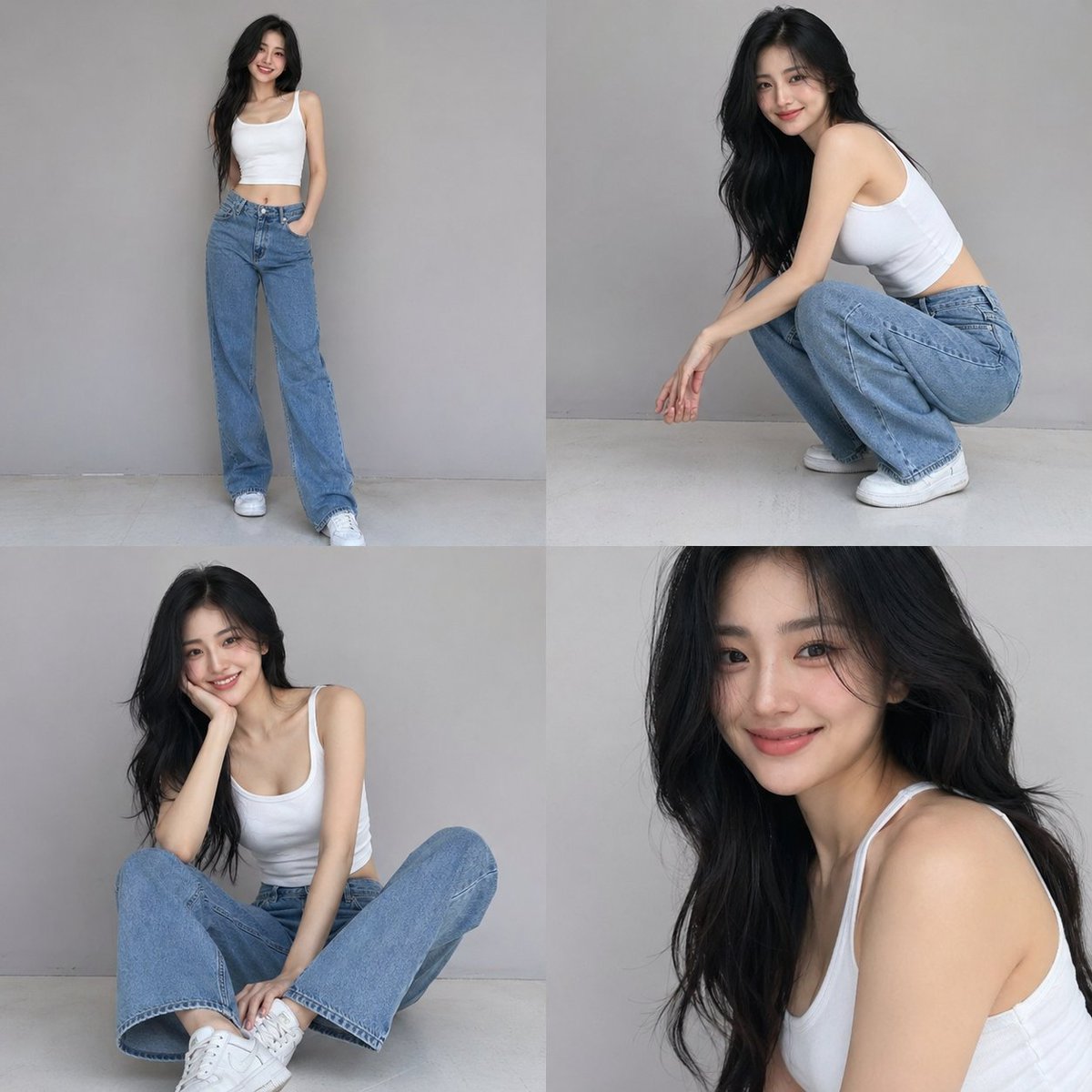
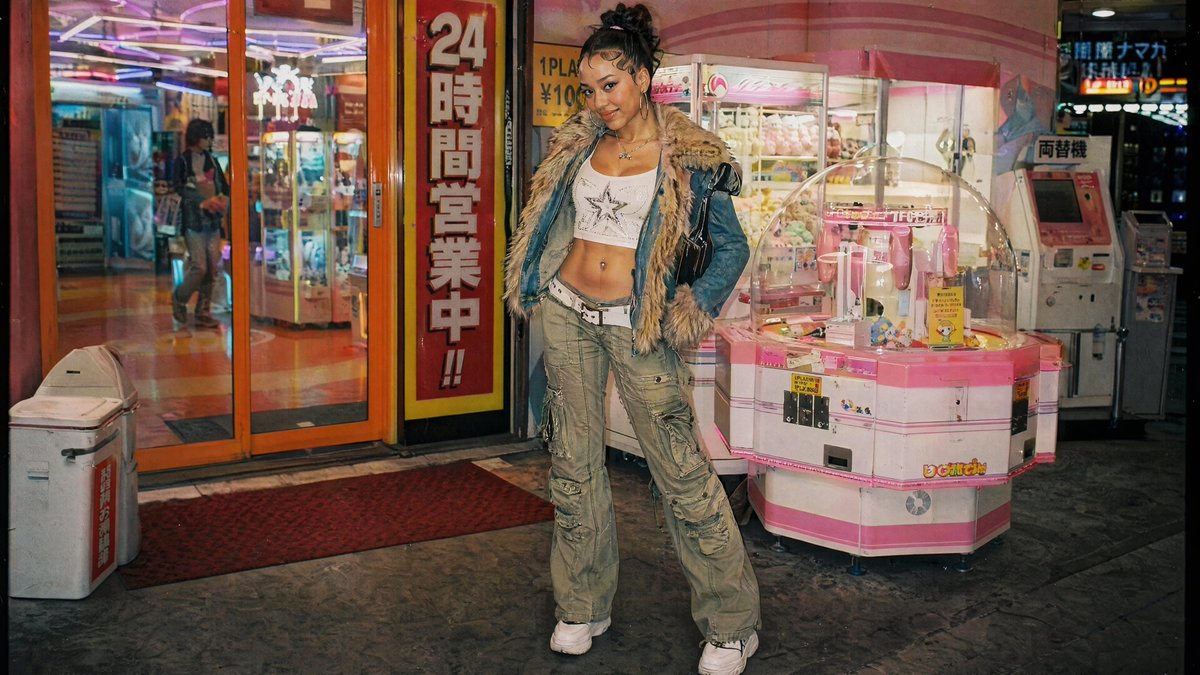
Profile / Avatar - Casual Fashion Grid Photoshoot
{
  "scene_type": "smartphone fashion portrait series",
  "composition": {
    "layout": "4-photo grid collage",
    "camera": "smartphone photography",
    "framing": [
      "full body standing",
      "crouching pose",
      "casual seated pose",
      "upper body portrait"
    ],
    "angle": "eye-level, natural perspective",
    "aspect_ratio": "1:1 collage"
  },
  "subject": {
    "gender": "{argument name="gender" default="female"}",
    "age": "{argument name="age" default="early 20s"}",
    "aesthetic": "extremely beautiful, sensual, candid",
    "appearance": {
      "skin_tone": "smooth light complexion",
      "face": "soft feminine features, natural symmetry, bright smile",
      "expression": "playful, warm, confident, subtly sensual",
      "eyes": "expressive, gentle gaze",
      "hair": {
        "color": "{argument name="hair color" default="deep black"}",
        "style": "long, loose waves",
        "texture": "soft, natural shine"
      },
      "makeup": "natural glam, dewy skin, soft blush, subtle lip tint"
    },
    "outfit": {
      "top": "white fitted sleeveless crop top",
      "bottom": "loose straight-leg blue jeans",
      "shoes": "casual white sneakers",
      "style": "minimal, effortless, modern casual"
    },
    "pose_style": "relaxed, candid, playful fashion poses",
    "body_language": "confident yet soft, natural movements, gentle sensual elegance"
  },
  "environment": {
    "location": "minimal studio backdrop",
    "background": "clean light gray seamless wall",
    "floor": "neutral studio floor",
    "lighting": {
      "type": "soft diffused studio lighting",
      "tone": "neutral",
      "shadows": "soft and natural",
      "highlights": "subtle skin glow"
    }
  },
  "style": {
    "photography_type": "smartphone editorial fashion",
    "visual_tone": "minimalist, airy, modern",
    "mood": "candid, sensual elegance, fresh and confident",
    "color_palette": "white, denim blue, soft gray",
    "contrast": "low to medium",
    "grain": "very light natural grain"
  },
  "rendering": {
    "realism": "ultra-realistic",
    "detail_level": "high skin and fabric texture detail",
    "sharpness": "high",
    "depth_of_field": "natural",
    "post_processing": "minimal, clean, slightly soft finish"
  },
  "atmosphere": "modern, youthful, effortless beauty, subtle sensual charm"
}
6-Block Fashion Campaign Prompt Formula
Old money Hamptons editorial, tall blonde woman late 20s, serene elegant expression, wearing cream cashmere cable sweater, pleated beige tennis skirt, pearl earrings, Hermès silk scarf, leather flats, Slim Aarons photography style, medium format film photography, sitting on a white wooden porch of a Cape Cod house, golden hour light, ocean in the background
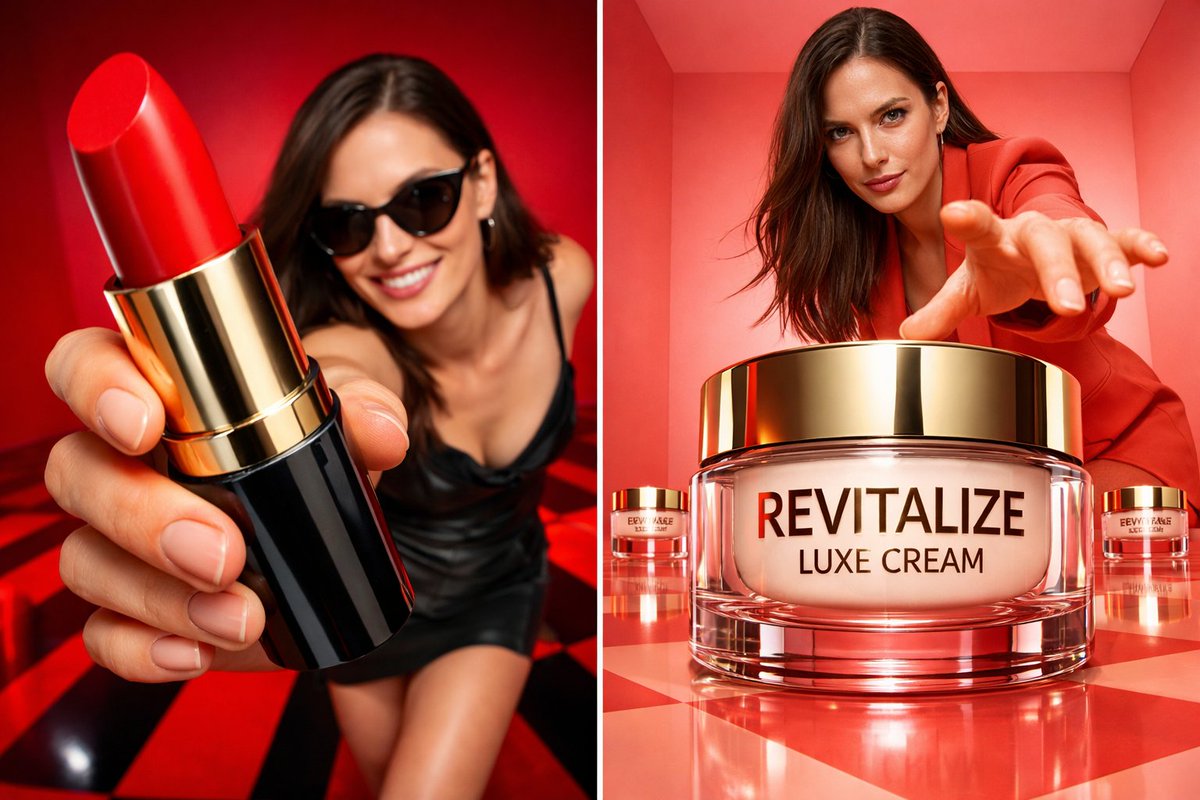
Coral minimalist studio fashion commercial photoshoot
Ultra-realistic high-fashion commercial campaign using the uploaded model photo as strict identity reference. Preserve exact facial features, proportions and natural skin texture — no retouching, no reshaping.
Scene: coral monochrome studio box with glossy reflective checker or minimal polished floor. Clean geometric walls with soft light gradients.
Product: the product placed oversized in the center foreground, dominating the frame due to wide-angle perspective. The packaging is ultra-sharp, fully readable, realistic reflections and material texture. Smaller product units can be placed symmetrically in the background.
Model pose: standing behind the product, slightly crouched or leaning forward, one hand reaching toward the camera to create depth. Strong confident expression, fashion attitude.
Camera: low-angle 24–35mm lens look, dramatic perspective distortion, deep focus on both product and model.
Lighting: bright commercial studio lighting, soft shadows, glossy highlights on packaging, high-end campaign finish. 4K–8K realism, no watermark, no embedded text.i ar 9:13
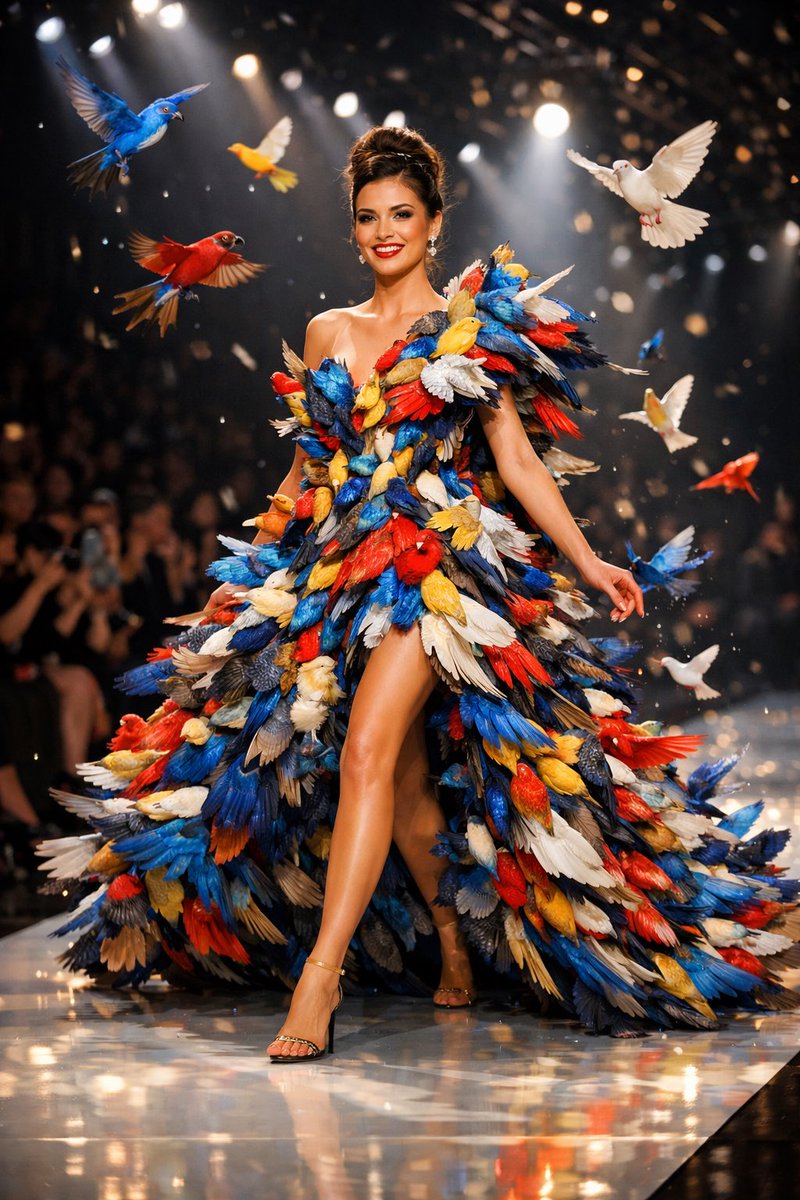
Flocks of Birds Woven into a Dreamlike Haute Couture Fashion Show
A playful high-fashion runway scene featuring a confident woman walking a luxury fashion show catwalk, wearing an extraordinary couture dress made entirely of birds. Hundreds of elegant, vividly colored birds form the shape of a flowing, sculptural gown, layered like living feathers, with wings partially spread to create the illusion of fabric and motion. Some birds lift gently into the air around her, captured mid-flight, adding a magical, surreal sense of movement. The birds display a rich variety of colors — iridescent blues, radiant reds, golden yellows, and soft whites — with intricate feather details and natural textures. She poses mid-stride with a joyful, confident expression, expressive eyes, and refined runway makeup. Dramatic stage lighting with glowing highlights, dark blurred audience background, cinematic depth of field, fantasy realism, ultra-detailed textures, high contrast, sharp focus, whimsical luxury fashion show, surreal couture, 4K resolution, professional color grading.
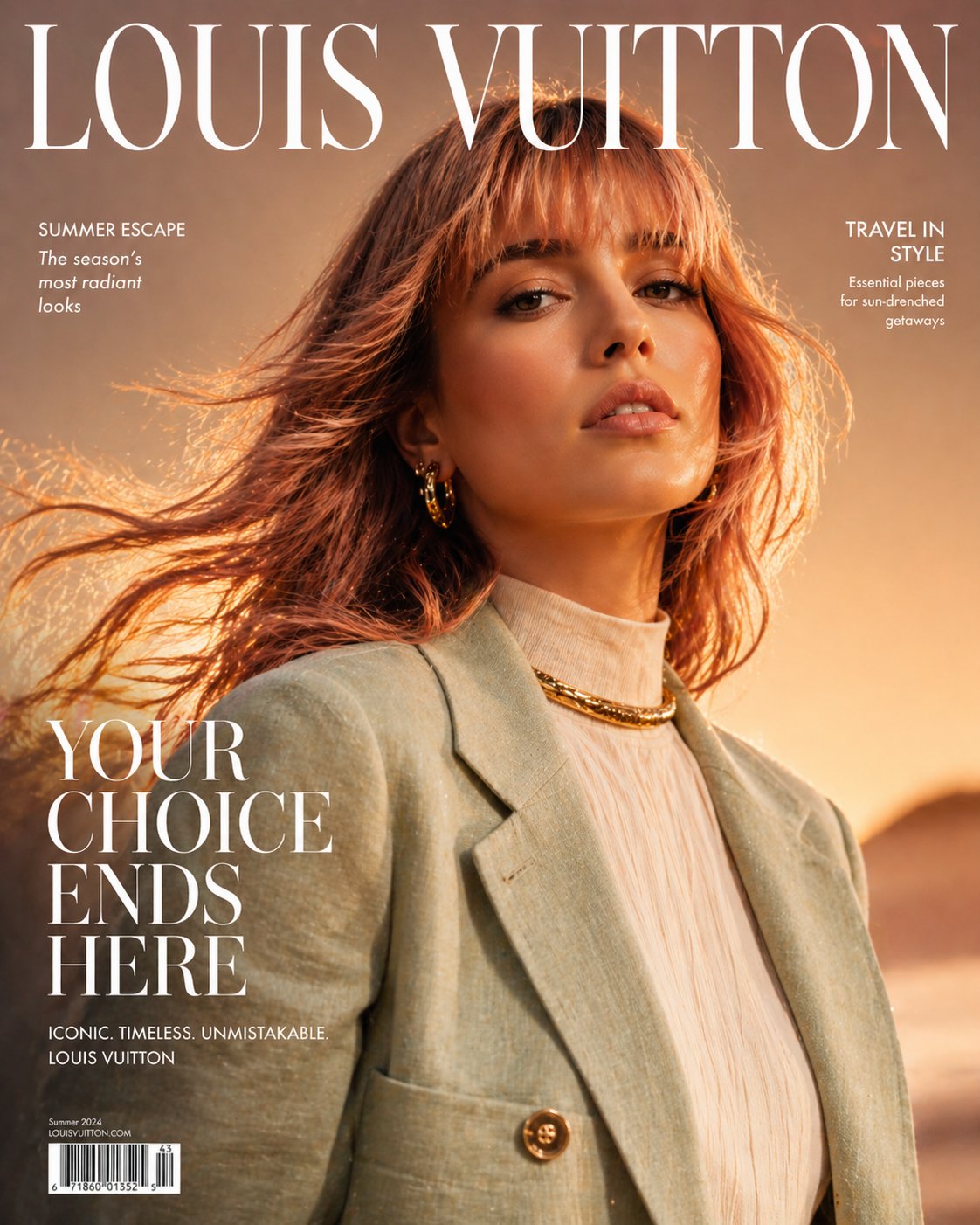
Haute Couture Fashion Magazine Cover
Ultra high-fashion magazine cover, Louis Vuitton-style editorial. Close-up portrait of a confident woman with soft rose-gold hair and natural airy bangs, slightly wind-blown for movement. She is wearing a luxury summer outfit: a structured lightweight linen or silk jacket in warm golden-yellow tones, layered over a modest high-neck top, paired with a bold gold choker necklace and subtle statement earrings.

Fabric flows naturally with a summer breeze, slightly textured and breathable, capturing a premium seasonal feel. Styling is elegant, modest, and refined — no revealing clothing.

Lighting is high-end studio mixed with natural golden hour glow: warm highlights, soft shadows, luminous skin with glossy editorial finish.

Background is a rich summer gradient (sunset gold fading into soft coral or warm beige), clean but visually striking.

Composition is dynamic and slightly cinematic: hair in motion, shallow depth of field, sharp focus on face.

Typography: large elegant serif masthead "Louis Vuitton" at the top, bold cover line "YOUR CHOICE ENDS HERE" in premium editorial layout, minimal supporting text.

Ultra-realistic, hyper-detailed skin texture, 8K resolution, sharp focus, glossy magazine print quality, cinematic color grading, luxury fashion photography, no nudity, tasteful and editorial.
Related prompt guides and libraries
FAQ about Fashion Photography
How do I use Fashion Photography prompts from gptimages.dev?
Start with the examples that match your visual job, then copy the prompt structure rather than copying every adjective. Replace the subject, scene, channel, aspect ratio, and constraints with your own details. If the first result is close, keep the successful parts fixed and change one variable at a time. This makes the page useful as a prompt library, not just a keyword page.
What is the best prompt format for Fashion Photography?
A dependable format is brief first, details second, checks last: describe the image goal, then the subject, scene, composition, style, reference rules, and output constraints. For models such as GPT-IMAGE-2, Nano Banana 2, Stable Diffusion, Midjourney, or Jimeng AI, keep the core prompt portable and add tool-specific settings only when the interface supports them.
Can I reuse these prompts across different AI image models?
Yes, but reuse the structure more than the exact syntax. A prompt that works in one generator may need different wording, reference strength, aspect ratio settings, or negative prompts in another. The safest workflow is to preserve the creative brief, then adapt only the model-specific layer after you inspect the first output.
How should I collect the best AI image prompts?
Save prompts with the final image, model or tool name, aspect ratio, reference images, and a short note explaining why the result worked. Group them by use case such as product photography, character consistency, UI mockups, posters, logos, or text-in-image prompts. That collection becomes much more useful than a flat list of attractive phrases.
Why do Fashion Photography prompts fail?
Common causes include unclear subject hierarchy, too many styles in one prompt, vague quality words, unsupported text requirements, missing reference rules, and uncontrolled iteration. Fix the prompt by naming the production goal, protecting the details that cannot change, and testing one adjustment per generation instead of rewriting the whole prompt every time.
Are these prompt examples enough for commercial work?
They are a starting point, not legal or brand clearance. For commercial work, check the terms of the model or generator, review rights for reference images, verify text and logos manually, and keep a record of the prompt, source assets, and final edits. The page helps with prompt quality, while usage rights still depend on your workflow and provider terms.