
Product Photography Prompts
Product Photography Prompts connects find product photography AI image prompts to a curated English SEO page with model notes, prompt patterns, FAQ coverage, real examples, and related internal links.
Editorially reviewed by GPT Images for prompt usefulness, internal links, FAQ coverage, and source-aware model context.
What this use-case library covers
Product Photography Prompts is designed for people trying to make a specific type of image for a product, brand, story, interface, or campaign. It targets the intent to find product photography AI image prompts, but the page avoids thin keyword stuffing by connecting the topic to prompt structure, real prompt examples, internal links, and FAQ answers.
The practical goal is simple: help someone understand what to write next. The page explains how Product Photography prompts should define subject, constraints, references, style, and output checks before a model or generator is blamed for a weak result.
- Use this use-case library when the search intent is "find product photography AI image prompts" and the visitor needs examples before writing from scratch.
- Choose it when Product Photography work requires visible constraints such as subject, angle, lighting, composition, text, aspect ratio, or editing target.
- Use the real prompt examples below to see how other prompts structure the same problem, then adapt one variable at a time.
- Keep it as an internal link target for related prompt collections so users can move from broad discovery into specific prompt pages.
Recommended Product Photography workflow
turn a visual job into reusable prompt recipes and examples. A good workflow should be repeatable, inspectable, and easy to adapt across tools. The same prompt can behave differently in GPT-IMAGE-2, Nano Banana 2, Stable Diffusion, Midjourney, Jimeng AI, or a local ComfyUI setup, so this page keeps the reusable structure separate from tool-specific adjustments.
- Start by defining the job: what the image must communicate, where it will be used, and what failure would make the result unusable.
- Translate the job into a prompt skeleton for Product Photography: subject, scene, medium, camera or composition, style constraints, and output constraints.
- Pick one example prompt from this page and copy only the structure that matches the job; avoid copying decorative phrases that do not serve the image.
- Run a first generation, then change one variable at a time: framing, lighting, color palette, reference strength, text content, or background density.
- Save the winning prompt with notes about model, tool, aspect ratio, and any reference images so the pattern can be reused later.
- define output constraints, choose references, specify scene details, and review production quality
Quality checks before publishing
Before using a generated image in production, review the output against the original job. The best prompt is not the longest prompt; it is the prompt that makes the model spend attention on the details that matter.
- Product Photography should have a clear subject and a visible hierarchy; if the prompt gives equal weight to every detail, the image often becomes noisy.
- The prompt should separate content from style, especially when moving between GPT-IMAGE-2, Nano Banana 2, Stable Diffusion, Midjourney, or other image models.
- If the output needs readable text, keep the phrase short, quote it exactly, and verify the final image rather than assuming the model handled typography perfectly.
- If the output must match a brand, character, room, product, or reference image, name the fixed traits and describe what is allowed to change.
- Avoid stacking too many model-specific shortcuts on a reusable prompt page; keep the main prompt portable, then add model notes as a final layer.
- Review whether the page sends visitors to deeper prompt examples, related use cases, and FAQ answers instead of trapping them in a generic SEO article.
Common mistakes to avoid
Most failed image generations are not caused by a missing magic word. They usually come from unclear hierarchy, mixed intent, unsupported text requirements, or a prompt that asks for too many changes at once.
- Writing a Product Photography prompt as a pile of keywords without a production goal.
- Changing model, tool, aspect ratio, and reference image at the same time, which makes it impossible to learn what improved the output.
- Using vague quality words such as beautiful or professional without defining the visible evidence of quality.
- Ignoring downstream use, such as ecommerce crop safety, ad text legibility, app store screenshots, or poster readability.
- Treating Product Photography Prompts as a final answer instead of a starting point connected to prompt examples and iteration notes.
Product Photography prompt patterns
Production brief prompt
Create a Product Photography image for [audience] that communicates [message]. Main subject: [subject]. Scene: [setting]. Composition: [camera angle, crop, spacing]. Style: [medium, lighting, color direction]. Constraints: [aspect ratio, readable text, brand colors, negative space]. Avoid: [visual mistakes, clutter, wrong mood].
It separates the job, subject, scene, style, and constraints, which makes the prompt easier to test across different image models.
Reference-aware prompt
Using the reference as the fixed source of truth, generate a Product Photography variation. Preserve [identity traits, product shape, logo placement, character features, room layout]. Change only [background, lighting, camera angle, outfit, color palette]. Keep the output consistent with [use case] and do not invent extra objects.
It tells the model what is fixed and what can change, which is critical for image editing, character consistency, product shots, and brand work.
Iteration prompt
Revise the previous Product Photography result by improving [one problem]. Keep [successful elements] unchanged. Adjust [single variable] to [specific direction]. The final image should feel [desired mood] and remain suitable for [placement or channel]. Do not change [protected details].
It controls iteration by changing one variable at a time, so you can learn which instruction improved or damaged the output.
Model transfer prompt
Rewrite this Product Photography prompt for [target model or tool]. Keep the core subject, composition, and constraints. Convert unsupported syntax into natural language. Add model-specific notes only at the end: [aspect ratio, style strength, reference strength, negative prompt, seed, or typography instruction].
It preserves the creative brief while allowing each model or tool to receive the instructions in a format it can use.
Prompt examples for Product Photography
These examples are selected from the current English prompt catalog so the page links visitors into real prompt detail pages instead of stopping at generic advice.
Realistic photography style image
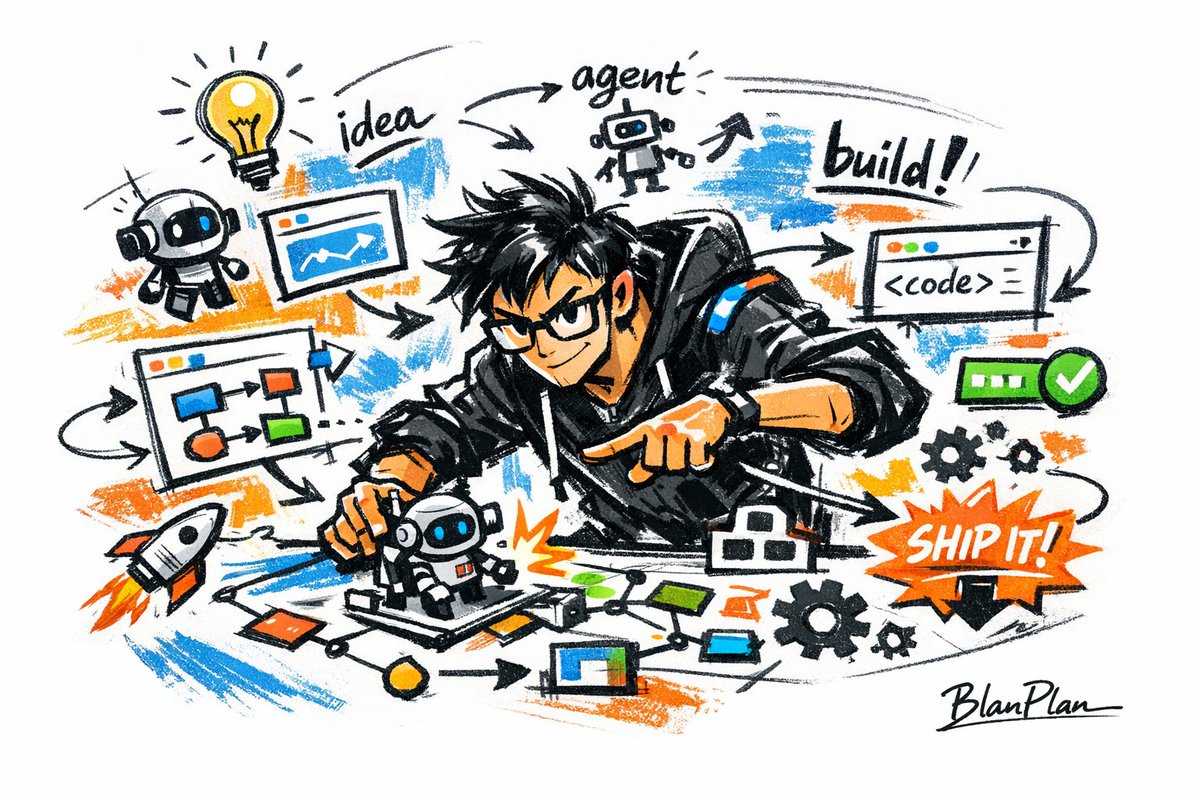
Express {argument name="subject" default="a powerful AI builder"} in a graffiti sketch style, presenting an overall visual effect of quick outlines, free deformation, improvised hand-drawing, and draft-like sketches. The lines are casual, exaggerated, varying in thickness, and slightly messy but rhythmic and expressive, emphasizing generalization, exaggeration, fun, and spontaneity rather than rigorous realism or fine detail. The colors are expressed in rough blocks with a distinct dry-brush feel, retaining uneven smears, brush marks, fly-white, and layering. Colors automatically adapt to the {argument name="theme" default="powerful AI builder"}, but the overall expression remains graffiti-like, sketch-like, and generalized. No transparent watercolor smudging effects, no delicate watercolor transitions, no paper textures, no soft atomization, and no dreamy textures. The background is mainly white space, maintaining a sense of simplicity, ease, unfinishedness, and design. Small amounts of auxiliary symbols, arrows, marks, circles, repeated lines, handwritten text, or other graffiti elements can be added to enhance the sketchbook or essay-like visual language, but they should not be too crowded or destroy the subject and the white space atmosphere. The content of the picture does not need to be written in advance; {argument name="character image" default="a powerful AI builder"} will automatically deduce and generate the most suitable main image, actions, related elements, symbols, or simplified scenes. The overall style remains a unified graffiti sketch style and an exaggerated, generalized expression, avoiding complex realistic backgrounds and excessive detail. A special signature 'BlanPlan' should be naturally added as part of the picture, in a low-key but clear position such as the bottom left, bottom right, or near the title. The style should be unified with the overall layout, like an artist's signature or a design mark; the signature font should be exquisite, restrained, and high-end, not too large, and should not destroy the main composition or appear abrupt or cheap.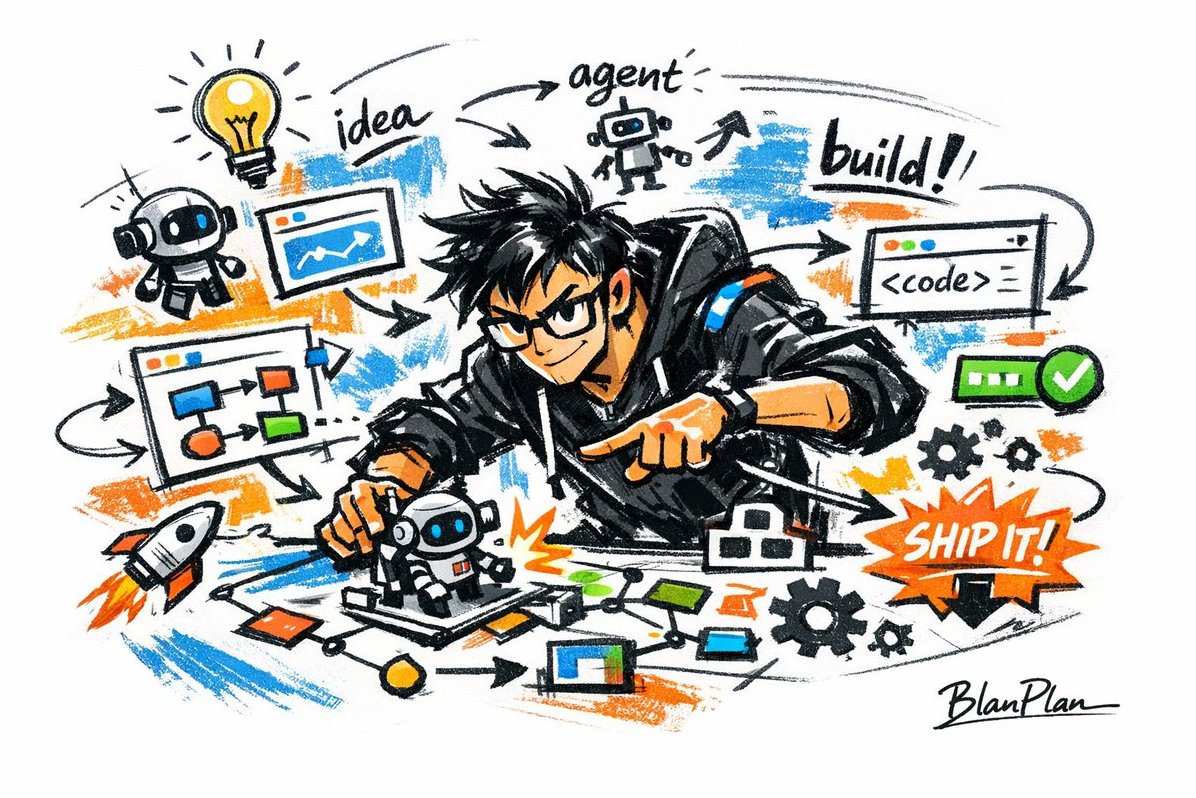
Realistic photography style image
Express [{argument name="subject" default="a powerful AI builder"}] in a graffiti sketch style, presenting an overall visual effect of rapid sketching, free transformation, improvised hand-drawing, and draft-like qualities. Lines are casual, exaggerated, varied in thickness, slightly messy but rhythmic and expressive, emphasizing generalization, exaggeration, fun, and spontaneity rather than rigorous realism or fine detail. Colors use rough, dry-brush block expressions, retaining uneven smears, brush marks, flying whites, and overlapping feelings. Colors automatically adapt to the [theme/subject], but the overall expression remains graffiti-like, sketch-like, and generalized. No transparent watercolor smudging, no delicate watercolor transitions, no paper textures, no soft atomization, and no dreamlike quality. The background is mainly white space, remaining simple, relaxed, unfinished, and design-oriented. A small amount of auxiliary symbols, arrows, marks, circles, repeated lines, handwritten text, or other graffiti elements can be added to enhance the sketchbook or essay-like visual language, but should not be too crowded or destroy the subject and atmosphere of the white space. The image content does not need to be written in advance; the [{argument name="subject" default="a powerful AI builder"}] will automatically deduce and generate the most suitable main image, actions, related elements, symbols, or simplified scenes. The whole maintains a unified graffiti sketch style and exaggerated generalized expression, avoiding complex realistic backgrounds and over-elaboration. Naturally add a unique signature "{argument name="signature" default="BlanPlan"}" as part of the image, placed discreetly but clearly in the lower-left, lower-right, or near the title. The style should be unified with the overall layout, like an artist's signature or design inscription; the signature font should be refined, restrained, and high-end, not too large, not destructive to the main composition, and not appearing abrupt or cheap.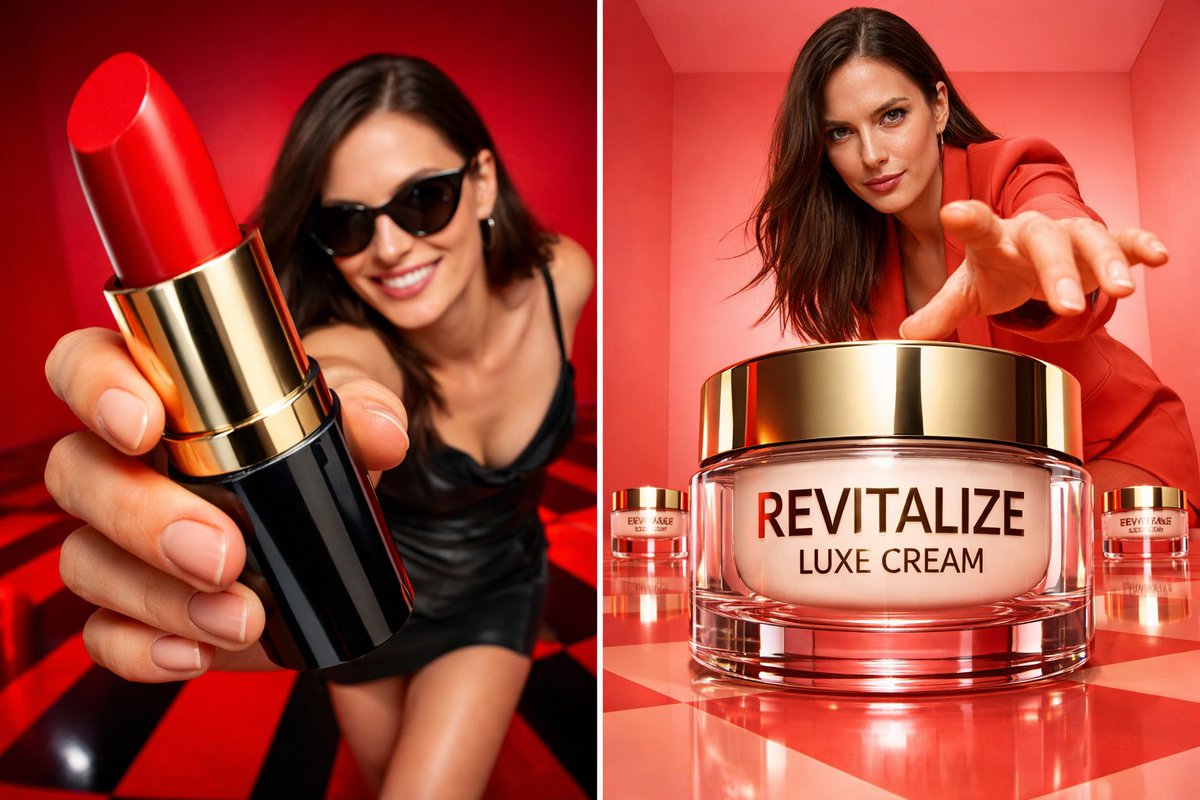
Visually Stunning Deep Red Studio Wide Angle Beauty Photoshoot
Photorealistic bold beauty campaign using uploaded model as exact identity reference. No facial changes, no smoothing.
Scene: deep red saturated studio environment with high-contrast floor pattern or glossy surface.
Product: the product held or positioned extremely close to the lens, appearing large due to perspective.
Model pose: playful or confident smile, arm fully extended toward camera, fingers slightly distorted by wide lens. Strong eye contact through sunglasses or natural gaze.
Camera: ultra-wide 20–28mm aesthetic, dynamic foreground exaggeration, shallow-to-medium depth of field.
Lighting: punchy commercial lighting with defined highlights and reflections, crisp packaging edges, vibrant color grading. Hyper-detailed skin texture and fabric realism.
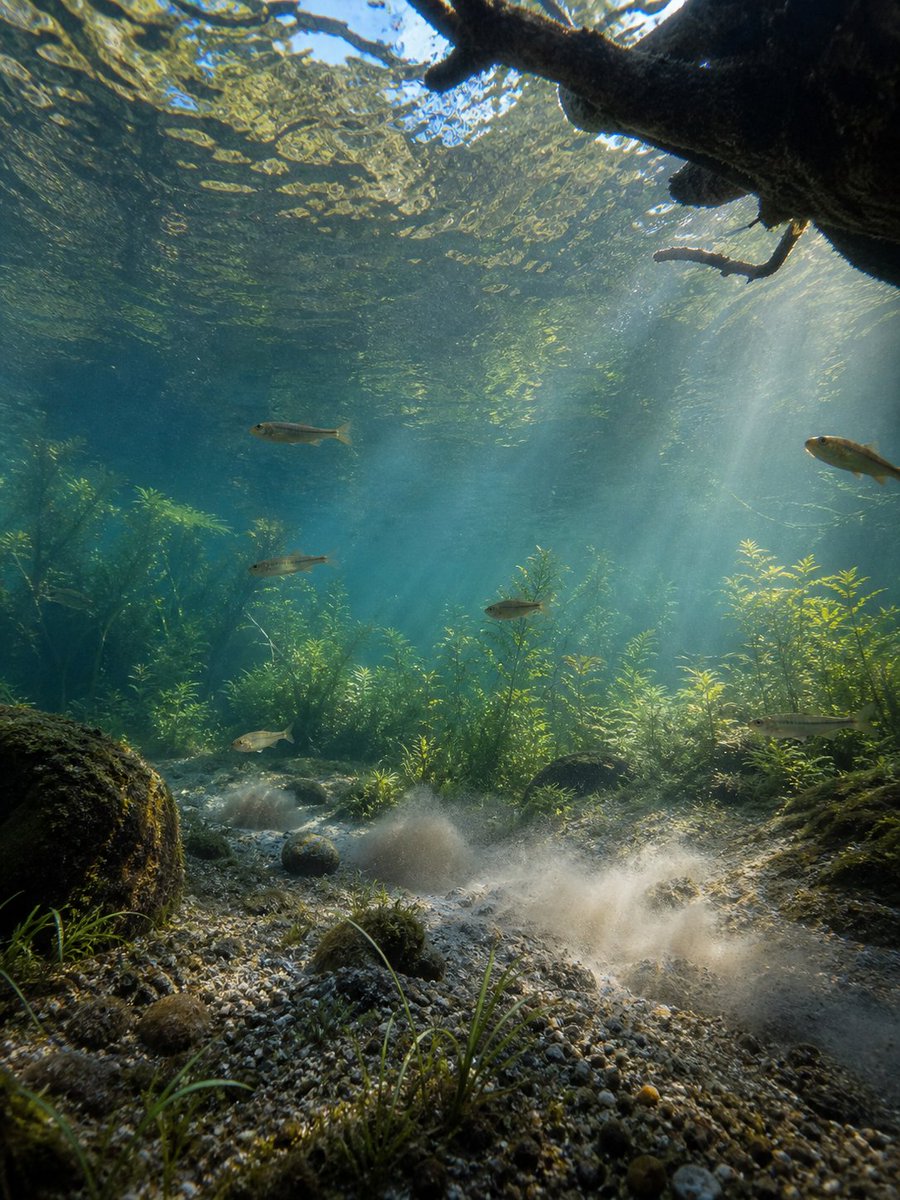
Infographic / Edu Visual - Underwater Forest Stream Photography
Shot with a high-definition underwater camera, this prompt captures real underwater natural scenery in a {argument name="environment description" default="clear shallow stream next to a tropical primeval forest"}.

Vertical composition, 3:4 aspect ratio, medium-to-long shot. The lens is slightly below the water surface, showing the shimmering bottom of the water surface above with realistic water wave refraction and natural reflections.

Sunlight shines diagonally into the water from the top right, forming soft beams and underwater spots. Dark reflections and shadows of large tree branches occupy part of the composition in the upper right.

In the middle is clear and quiet stream water with slight suspended particles and {argument name="number of fish" default="5-8"} native freshwater small fish swimming naturally, mainly gray-silver and light brown, varying in size and distance, not forming an organized school. On the stream bed, deep green, yellow-green, and brownish-green water plants grow naturally, swaying gently with the current, distributed naturally unlike an artificial aquarium.

The bottom consists of gray-brown fine sand, gravel, pebbles, and several naturally shaped stones with slight algae marks and signs of water erosion. Multiple springs at the bottom show fine sand billowing slowly from small holes, creating light sand clouds and local water disturbances, not white smoke, steam, or large bubbles.

Natural landscape live-action photography, high-end natural documentary feel, close to National Geographic ecological photography. Features transparent water, natural lighting, restrained colors, realistic underwater optical effects, slight graininess, natural depth of field, and high-definition details.

No people, no buildings, no artificial traces, no text, no borders, no LOGO. Avoid CG feel, aquarium look, seabed coral, exaggerated fish schools, oversaturated greens, dreamy lighting effects, or plastic water plants.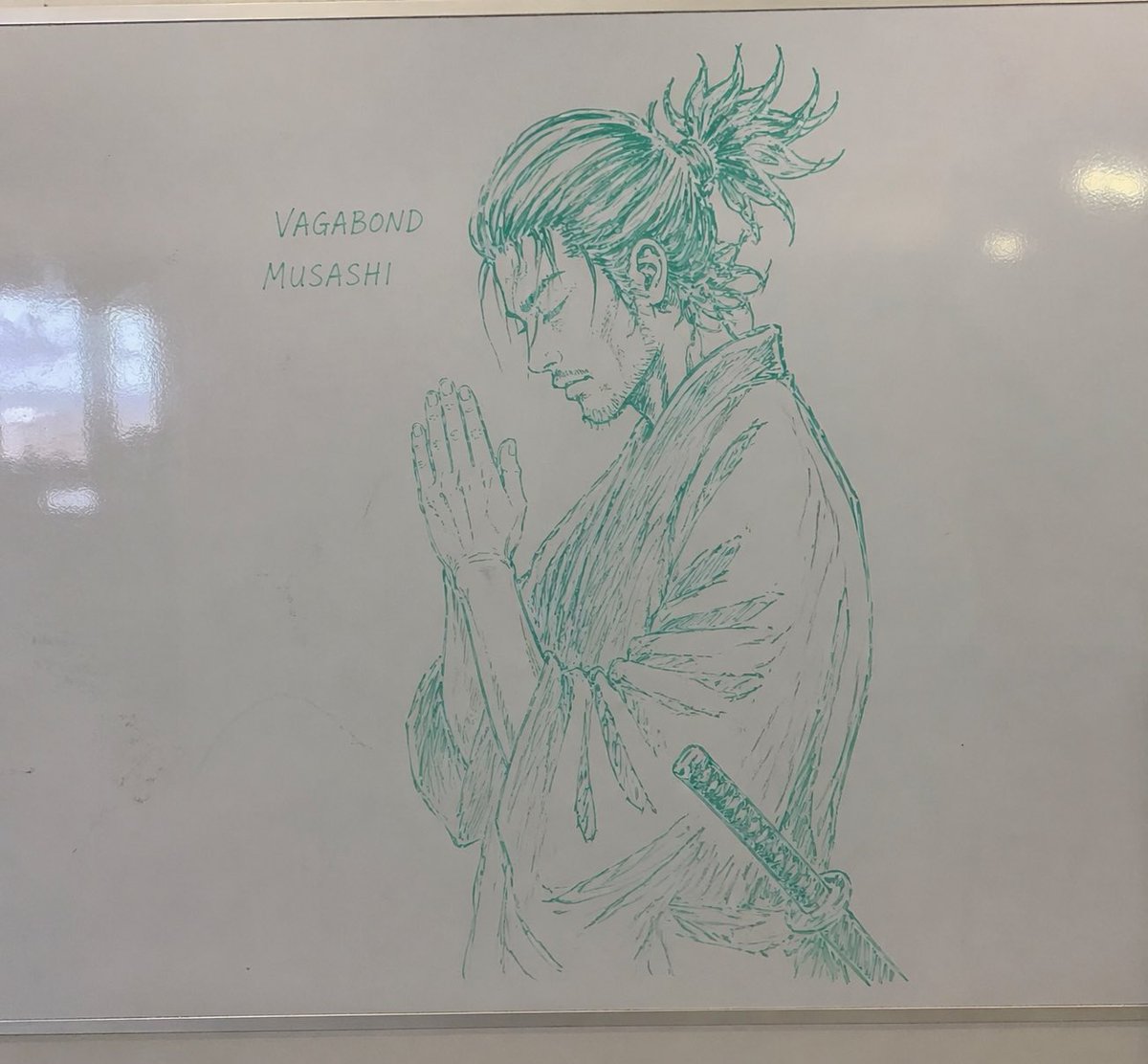
Realistic photography style image
A realistic photograph of a whiteboard with a highly detailed {argument name="marker color" default="green"} dry-erase marker drawing of {argument name="subject" default="a samurai with a messy topknot and facial hair, hands clasped in prayer"}. The character is drawn in a {argument name="art style" default="detailed manga sketch"} style, shown in profile with eyes closed, wearing a traditional kimono with a katana tucked into his belt. To the left of the character, handwritten text in all-caps reads "{argument name="text line 1" default="VAGABOND"}" with "{argument name="text line 2" default="MUSASHI"}" written directly below it. The whiteboard has a glossy surface with realistic light reflections and glare on the left side, and a thin metallic frame is visible at the bottom edge, giving the impression of an authentic classroom or office environment.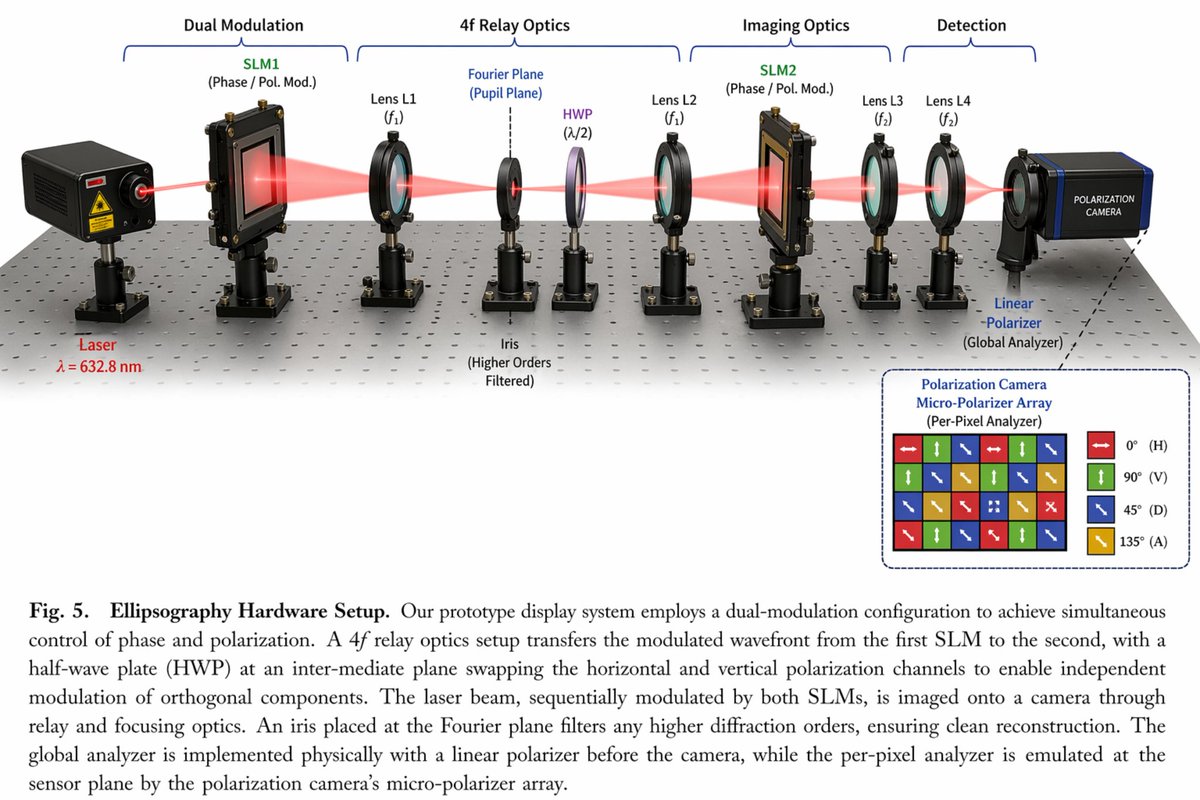
Realistic photography style image
{
  "type": "scientific hardware diagram",
  "layout": {
    "main_scene": "3D render of an optical table with a red laser beam passing through 11 aligned optical components mounted on black posts.",
    "top_brackets": [
      {"label": "Dual Modulation", "span": "SLM1"},
      {"label": "4f Relay Optics", "span": "Lens L1 to Lens L2"},
      {"label": "Imaging Optics", "span": "SLM2 to Lens L4"},
      {"label": "Detection", "span": "Camera"}
    ],
    "optical_components_left_to_right": [
      {"name": "Laser", "labels": ["Laser", "λ = {argument name=\"laser wavelength\" default=\"632.8 nm\"}"]},
      {"name": "SLM1", "labels": ["SLM1", "(Phase / Pol. Mod.)"]},
      {"name": "Lens L1", "labels": ["Lens L1", "(f1)"]},
      {"name": "Iris", "labels": ["Fourier Plane", "(Pupil Plane)", "Iris", "(Higher Orders Filtered)"]},
      {"name": "HWP", "labels": ["HWP", "(λ/2)"]},
      {"name": "Lens L2", "labels": ["Lens L2", "(f1)"]},
      {"name": "SLM2", "labels": ["SLM2", "(Phase / Pol. Mod.)"]},
      {"name": "Lens L3", "labels": ["Lens L3", "(f2)"]},
      {"name": "Lens L4", "labels": ["Lens L4", "(f2)"]},
      {"name": "Linear Polarizer", "labels": ["Linear", "-Polarizer", "(Global Analyzer)"]},
      {"name": "Polarization Camera", "labels": ["POLARIZATION CAMERA"]}
    ],
    "inset_box": {
      "position": "bottom right",
      "title": "Polarization Camera Micro-Polarizer Array (Per-Pixel Analyzer)",
      "grid": "4x4 grid of colored squares with directional arrows",
      "legend_count": 4,
      "legend_items": [
        "Red square, horizontal arrow, 0° (H)",
        "Green square, vertical arrow, 90° (V)",
        "Blue square, diagonal arrow, 45° (D)",
        "Yellow square, diagonal arrow, 135° (A)"
      ]
    },
    "bottom_caption": {
      "figure_prefix": "{argument name=\"figure number\" default=\"Fig. 5.\"}",
      "title": "{argument name=\"system name\" default=\"Ellipsography Hardware Setup.\"}",
      "text": "Paragraph of scientific text explaining the dual-modulation configuration, 4f relay optics, and polarization camera."
    }
  }
}
Realistic portrait photography image
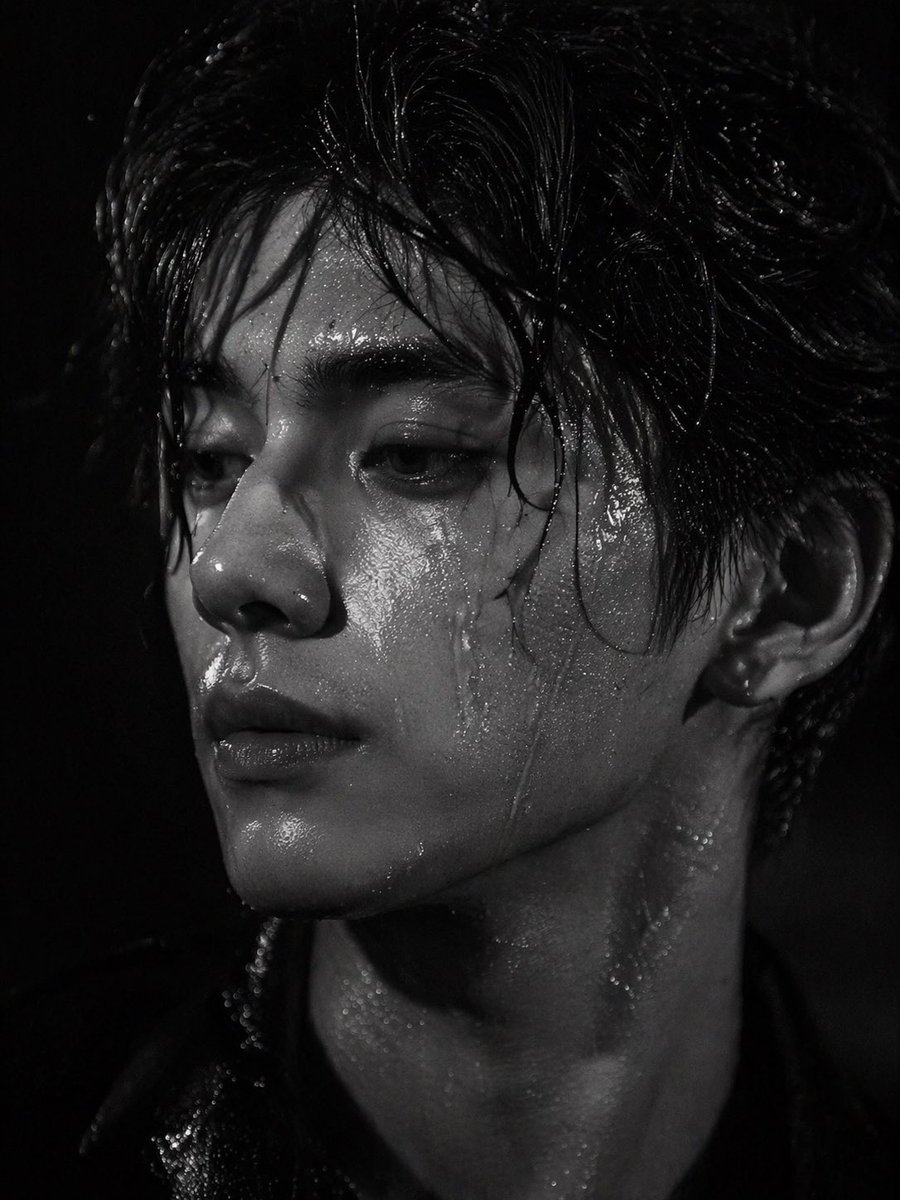
A striking black and white close-up portrait of a {argument name="subject description" default="handsome young Asian man"} with {argument name="hair style" default="messy wet hair sticking to his forehead"}. His face and neck are glistening, covered in highly detailed {argument name="skin texture detail" default="water droplets and sweat"}. He has an intense, melancholic gaze directed off-camera to the left. The lighting is dramatic and high-contrast, emphasizing his sharp jawline, full lips, and specular highlights on the wet skin against a {argument name="background" default="pitch-black background"}. Shot in a photorealistic, high-fashion editorial style with cinematic chiaroscuro.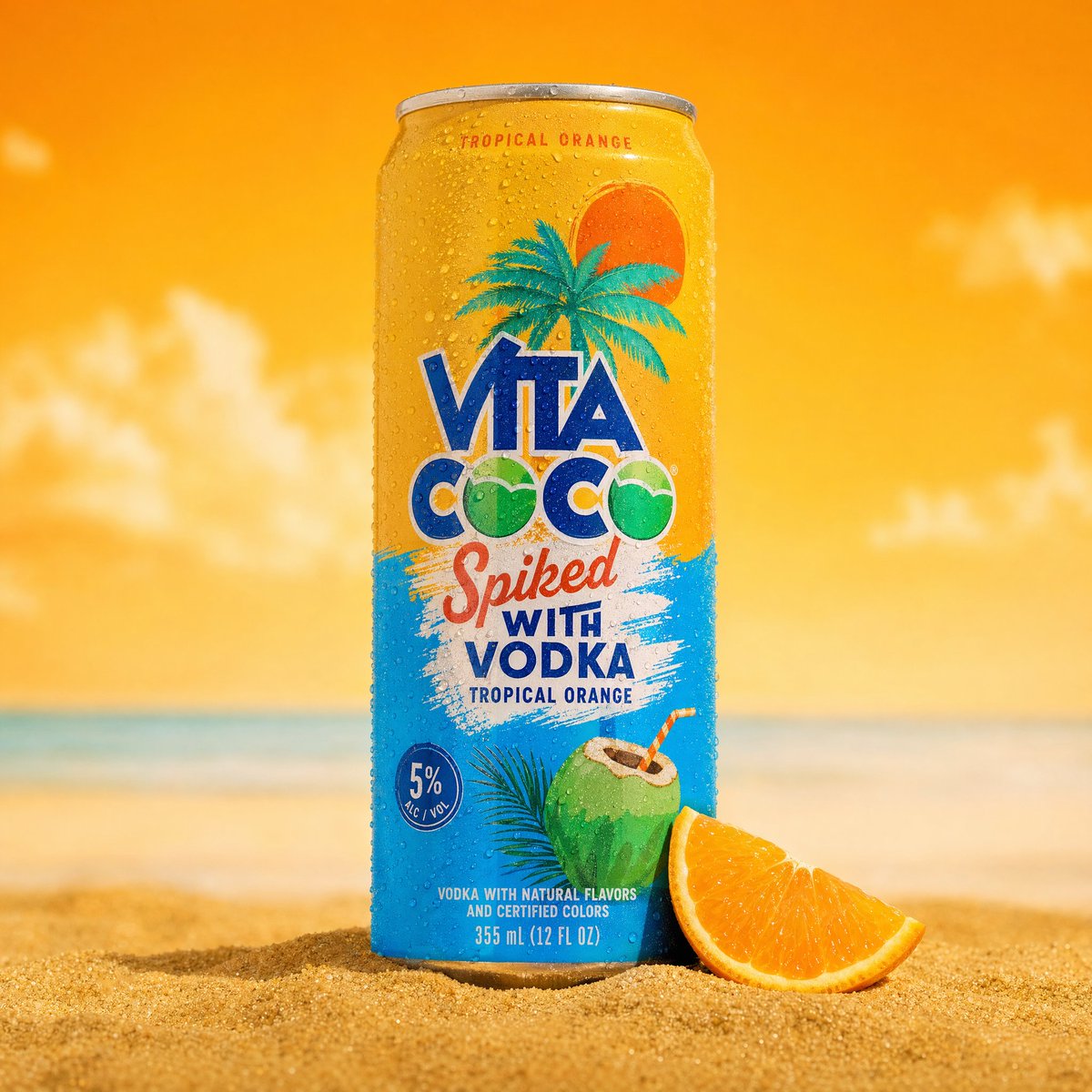
A professional product photography shot of a cold sparkling water
A professional product photography shot of a cold sparkling water
can placed upright in golden beach sand. The can is silver and teal,
covered in realistic water droplets condensation, with a pineapple
illustration and tropical branding. The can is slightly tilted,
planted in a small mound of fine golden sand with tiny white pebbles
and small green tropical leaves/grass scattered around the base.
Background features a bold split composition - bright sky-blue on
the left and vivid yellow on the right, with a large blurred real
pineapple placed behind the can on the right side. A blurred tropical
palm leaf drapes in from the upper left corner, adding depth and
framing. Macro-level water condensation droplets visible on the
can surface. Lighting is bright, vibrant, commercial studio lighting
with clean shadows. Shallow depth of field - can in sharp focus,
background softly blurred. Mood: summer, tropical, fresh, refreshing.
Commercial product photography, ultra-detailed, 8K.
Related prompt guides and libraries
FAQ about Product Photography
How do I use Product Photography prompts from gptimages.dev?
Start with the examples that match your visual job, then copy the prompt structure rather than copying every adjective. Replace the subject, scene, channel, aspect ratio, and constraints with your own details. If the first result is close, keep the successful parts fixed and change one variable at a time. This makes the page useful as a prompt library, not just a keyword page.
What is the best prompt format for Product Photography?
A dependable format is brief first, details second, checks last: describe the image goal, then the subject, scene, composition, style, reference rules, and output constraints. For models such as GPT-IMAGE-2, Nano Banana 2, Stable Diffusion, Midjourney, or Jimeng AI, keep the core prompt portable and add tool-specific settings only when the interface supports them.
Can I reuse these prompts across different AI image models?
Yes, but reuse the structure more than the exact syntax. A prompt that works in one generator may need different wording, reference strength, aspect ratio settings, or negative prompts in another. The safest workflow is to preserve the creative brief, then adapt only the model-specific layer after you inspect the first output.
How should I collect the best AI image prompts?
Save prompts with the final image, model or tool name, aspect ratio, reference images, and a short note explaining why the result worked. Group them by use case such as product photography, character consistency, UI mockups, posters, logos, or text-in-image prompts. That collection becomes much more useful than a flat list of attractive phrases.
Why do Product Photography prompts fail?
Common causes include unclear subject hierarchy, too many styles in one prompt, vague quality words, unsupported text requirements, missing reference rules, and uncontrolled iteration. Fix the prompt by naming the production goal, protecting the details that cannot change, and testing one adjustment per generation instead of rewriting the whole prompt every time.
Are these prompt examples enough for commercial work?
They are a starting point, not legal or brand clearance. For commercial work, check the terms of the model or generator, review rights for reference images, verify text and logos manually, and keep a record of the prompt, source assets, and final edits. The page helps with prompt quality, while usage rights still depend on your workflow and provider terms.